The GNGZ1840A Iron Ore Pre-Flotation Trash Removal Screen from GN is a specialized piece of industrial equipment designed for the critical task of removing foreign materials from iron ore slurry prior to the flotation process. In mineral processing, the purity of the feed material directly dictates the efficiency, cost, and safety of downstream separation stages. The primary function of this screen is to efficiently separate and remove non-metallic contaminants such as plant roots, tree bark, detonation fuse remnants, plastic fragments, and other coarse waste that is commonly introduced during mining, blasting, and handling operations.
Flotation is a physicochemical process where valuable minerals are separated from gangue by exploiting differences in surface properties. The presence of organic and fibrous interferes fundamentally with this mechanism. These materials can absorb flotation reagents intended for the target iron oxides, destabilize the froth layer, cause blockages in feed pipes and launders, and accelerate wear on mechanical components like impellers and stators. This leads to inconsistent metallurgical performance, including reduced concentrate grade and recovery, increased reagent consumption, and unplanned maintenance stops. Therefore, implementing a reliable pre-flotation screening stage is not merely an improvement but a necessity for modern, efficient plant operation.
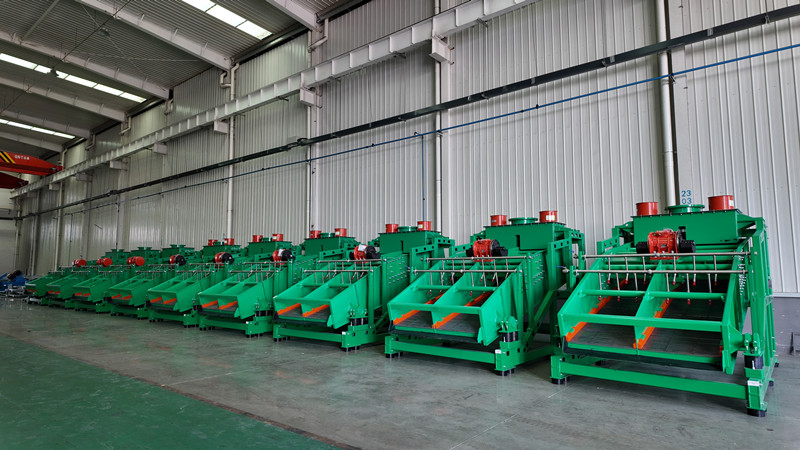
The GNGZ1840A model addresses these challenges through an engineered combination of high-frequency linear vibration and a specially designed screening surface. The core of its operation is a pair of high-speed vibration motors that generate a high-frequency, low-amplitude linear motion. This specific vibration trajectory promotes rapid stratification of the slurry on the deck. Heavier ore particles, with higher kinetic energy, tend to move across and off the screen, while lighter, fibrous, and bulky remain on the surface for discharge at the tail end. The high frequency prevents the typical issues of blinding and packing associated with damp, clayey ores, ensuring consistent screening efficiency.
A key component is its screen panel, often constructed from flexible polyurethane. This material offers superior abrasion resistance compared to traditional steel wire mesh, which is crucial given the highly abrasive nature of iron ore. Its elasticity and anti-corrosion properties contribute to a longer service life and reduced maintenance. The open area and aperture size are precisely calculated to allow the sub-screen size ore slurry to pass through freely while effectively intercepting particles above a specific cut point, typically customizable between 0.5mm to 5mm based on specific ore characteristics.
The operational benefits of deploying the GNGZ1840A are measurable and significant. First, it safeguards flotation performance. By providing a cleaner feed, the flotation cells operate under more stable and predictable conditions. Reagents interact more selectively with the target iron minerals, resulting in a more stable froth and improved final concentrate quality. Plant reports from analogous applications indicate potential increases in iron concentrate grade by 1-2 percentage points and gains in overall recovery.
Second, it enhances equipment reliability and reduces operating costs. Removing abrasive and obstructive materials before they enter the flotation circuit drastically reduces mechanical wear on pumps, pipelines, and flotation cell internals. This extends maintenance cycles, lowers spare parts consumption, and decreases the frequency of unplanned downtime. The reduction in manual cleaning of blocked equipment also improves site safety and lowers labor intensity.
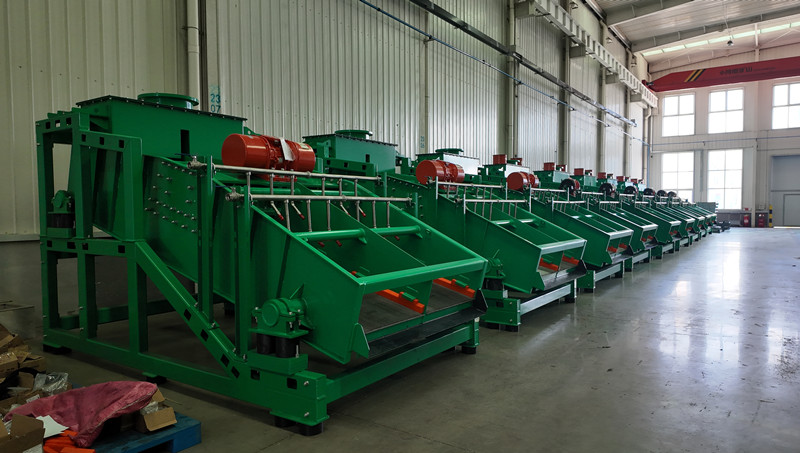
Third, the screen contributes to process stability. It often incorporates a dewatering function, helping to deliver a more consistent and optimal slurry density to the flotation circuit. Stable feed density is critical for the accurate dosing of flotation reagents, preventing both overdosing (waste) and underdosing (reduced recovery).
Integration into an existing plant flow sheet is straightforward due to its compact design and modular nature. It can be installed after grinding and classification circuits, directly feeding the cleaned slurry to flotation feed pumps or distribution boxes. Its low dynamic load and energy-efficient operation make it suitable for both new greenfield projects and retrofits in space-constrained brownfield sites.
In conclusion, the GN GNGZ1840A Trash Removal Screen is a purpose-built, high-efficiency solution for a defined industrial problem. Its value proposition lies not in performing the final mineral separation, but in creating the optimal conditions for the flotation process to work at its highest potential. By ensuring that only ore, and not waste, enters the flotation cells, it directly protects product quality, equipment integrity, and operational profitability in iron ore processing plants. Its design, focusing on robust vibration mechanics and durable screening media, translates into a reliable, low-maintenance asset that is essential for achieving consistent, high-performance flotation operations.