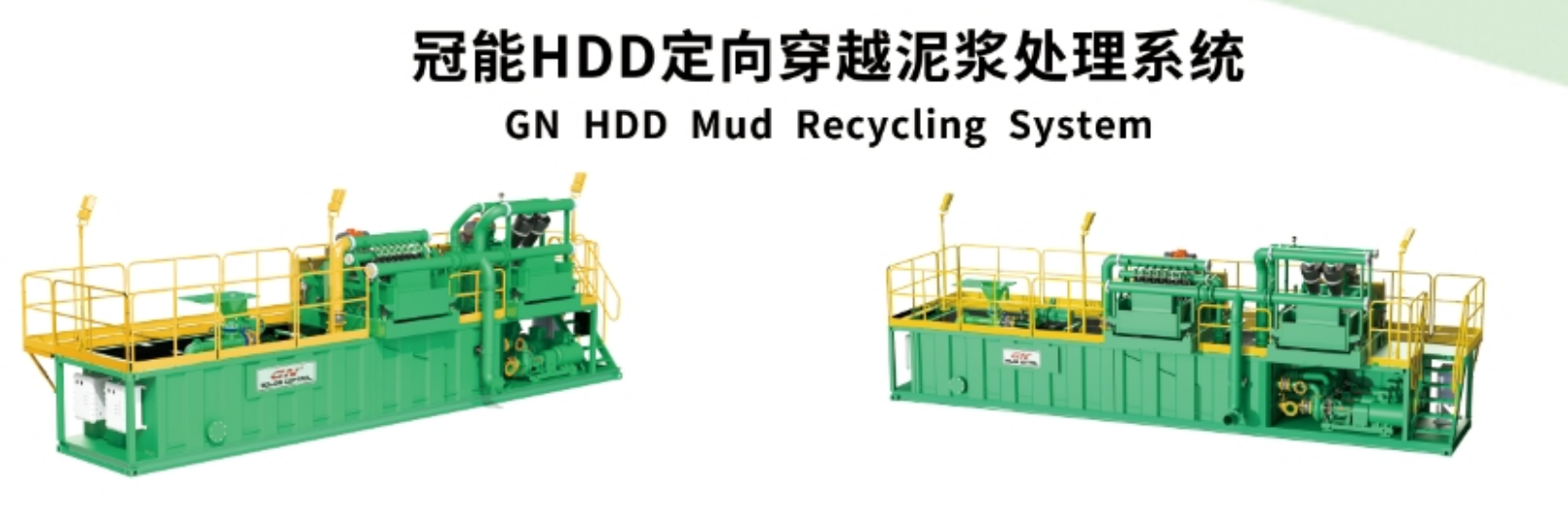
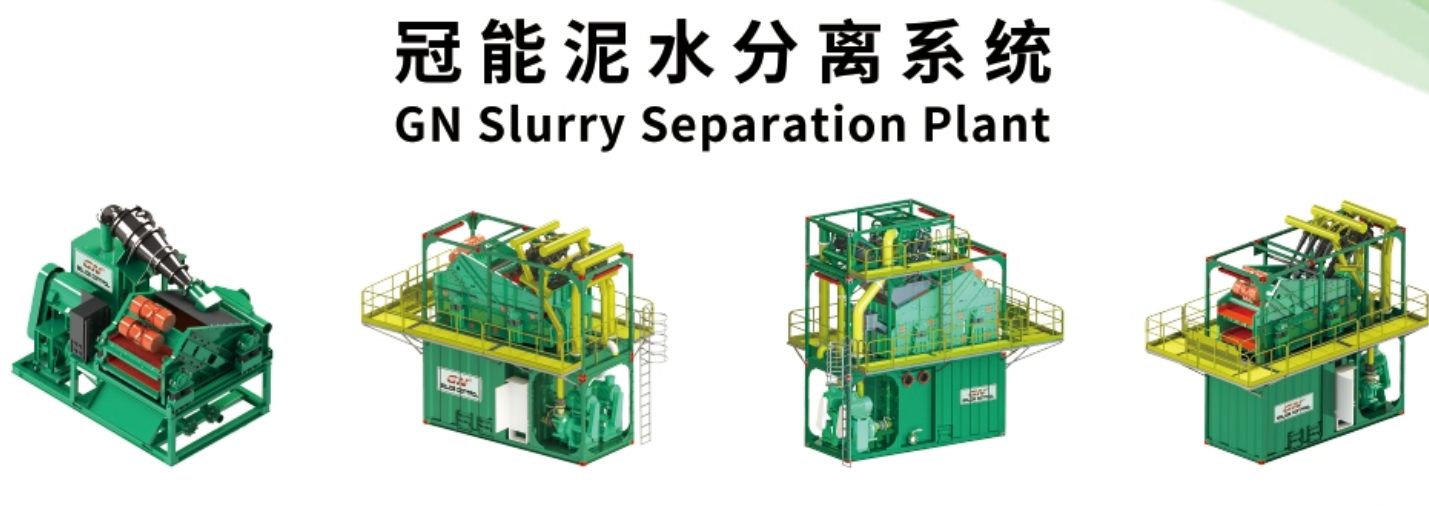
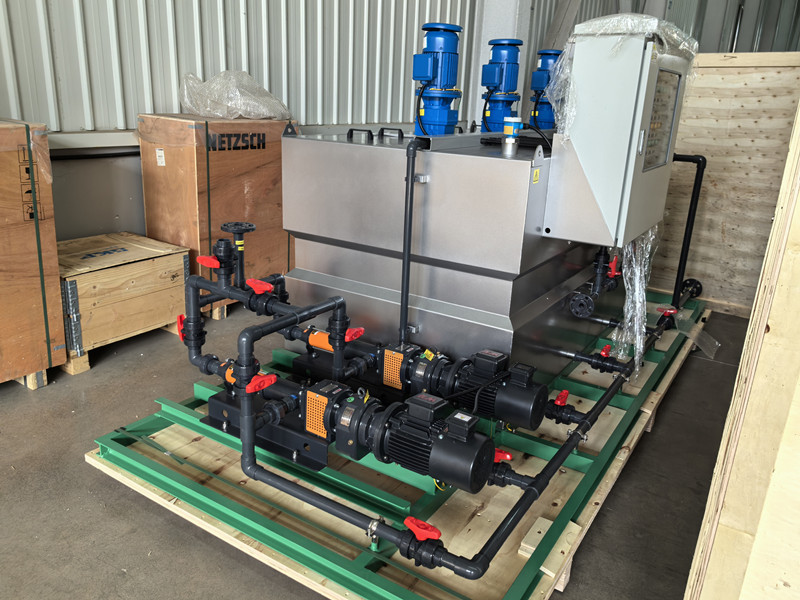
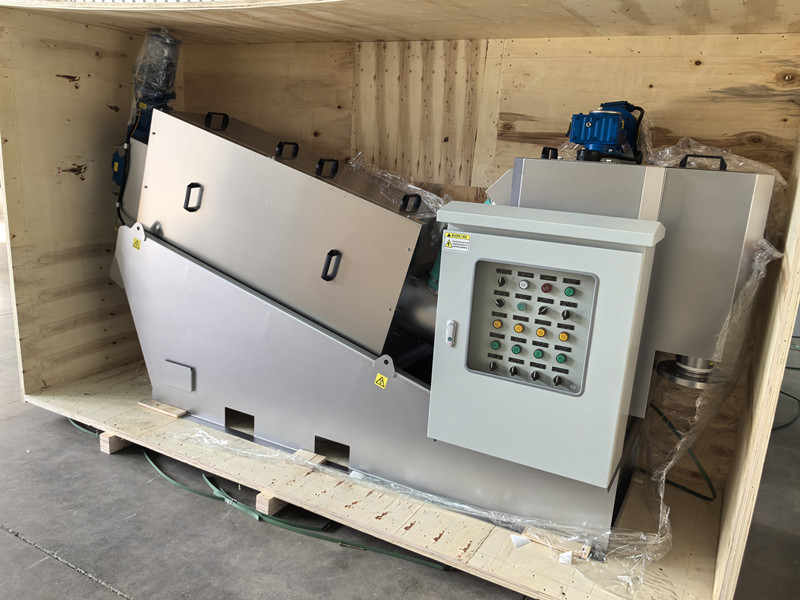
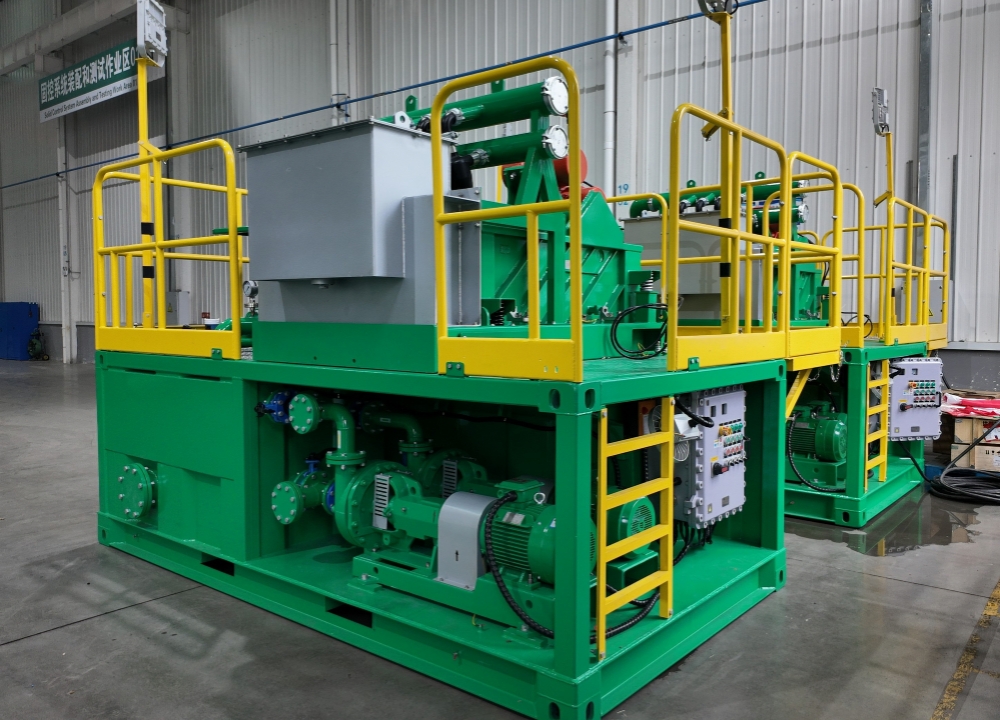
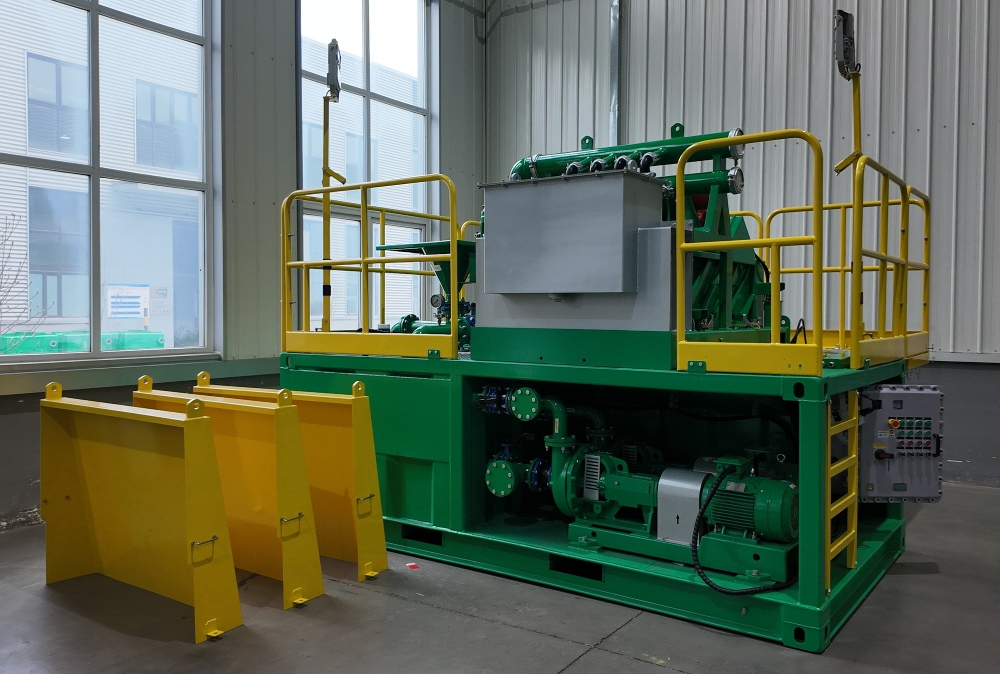
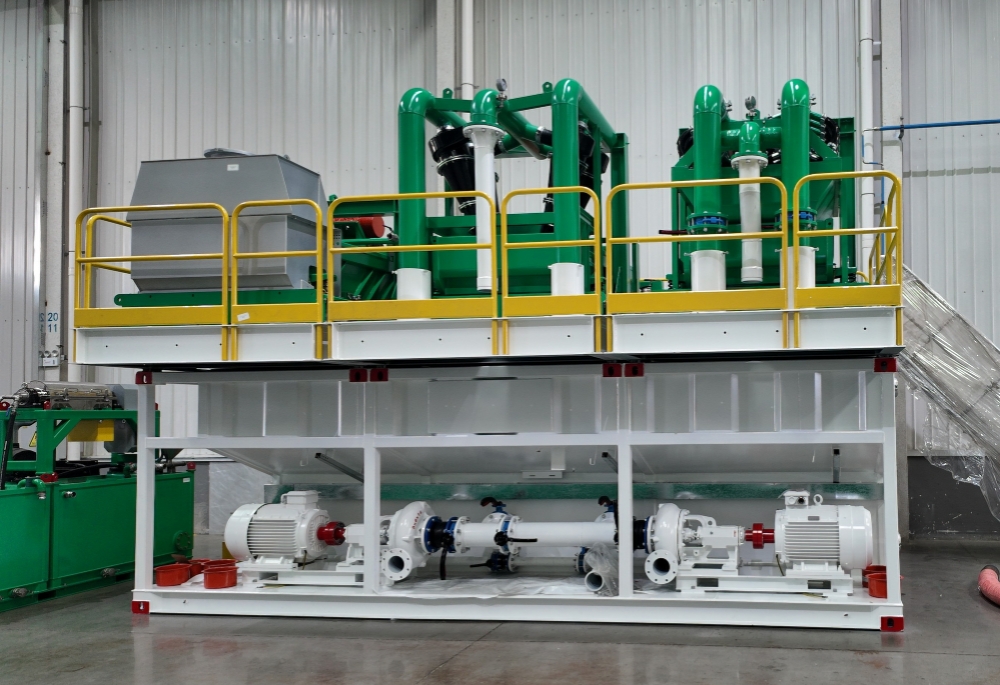
GN Solid Control has established itself as a significant supplier of high-performance solids control equipment and drilling waste management systems to clients across the Middle East and North Africa (MENA) region. The company’s success in this critical oil and gas market is largely driven by two core technologies: the solid vacuum pump and the decanter centrifuge. These systems address fundamental challenges in modern drilling operations—efficient solids separation and the reliable, clean transport of waste materials.
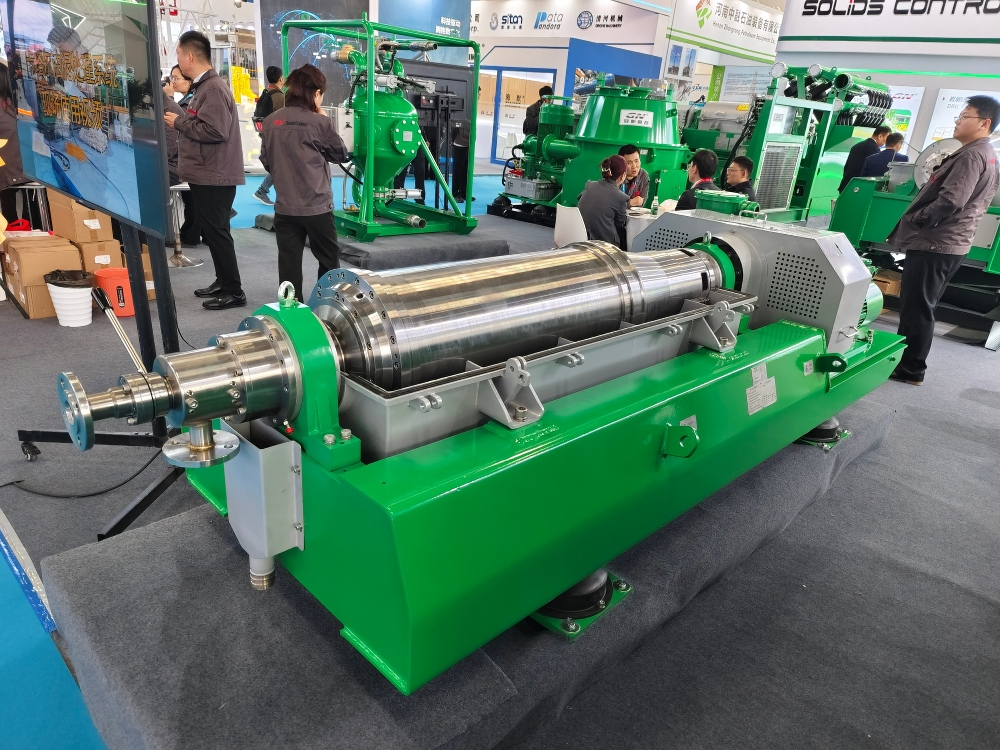
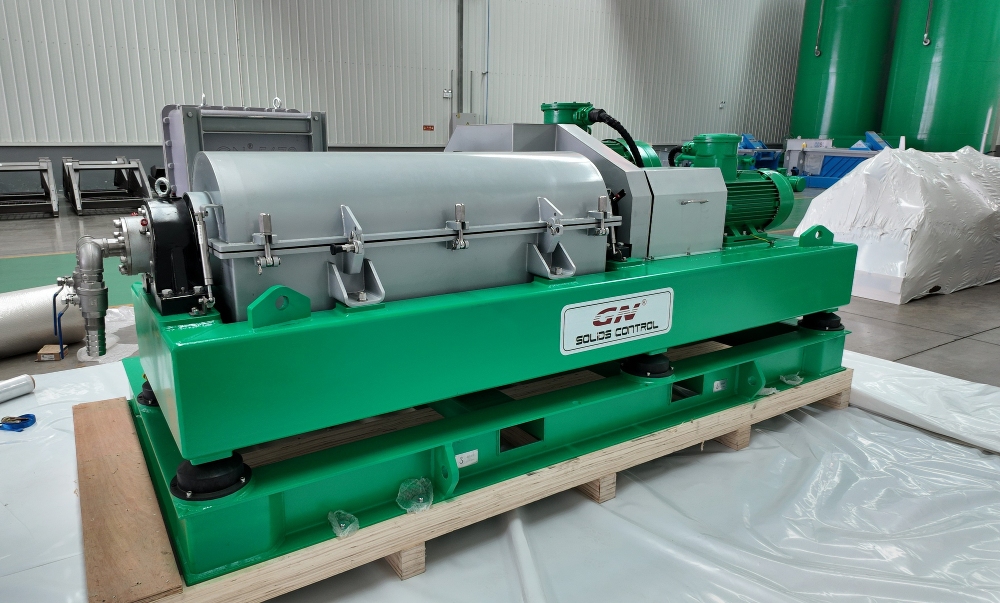
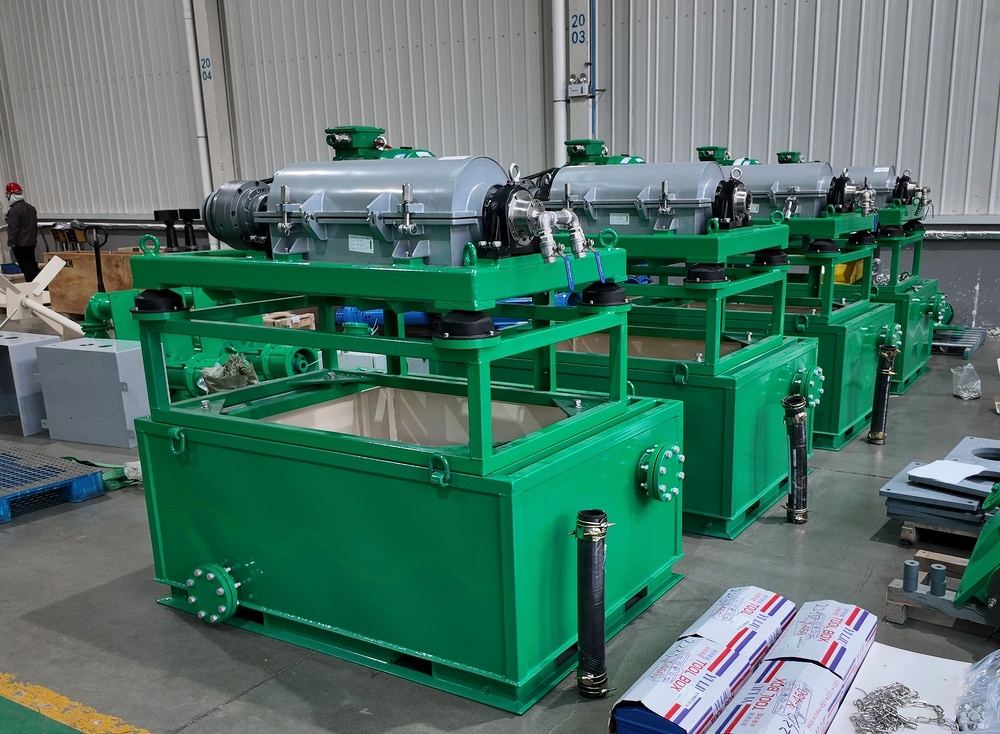
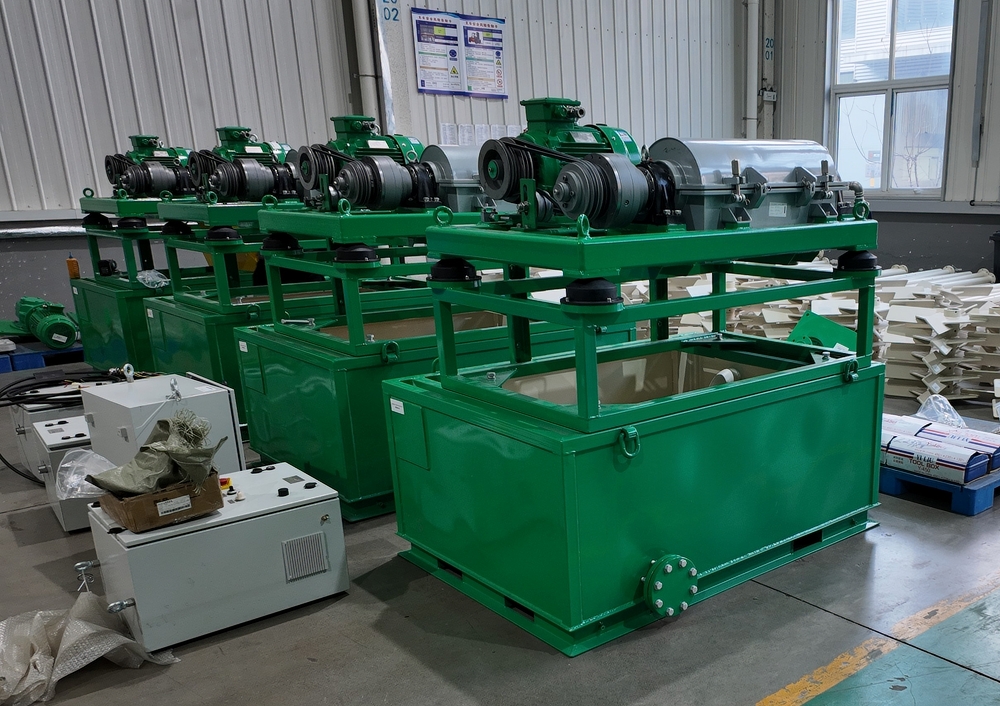
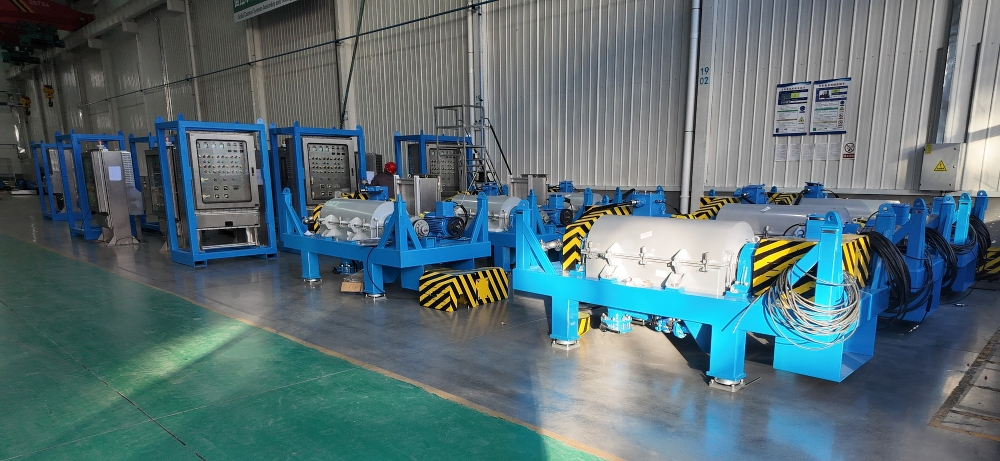
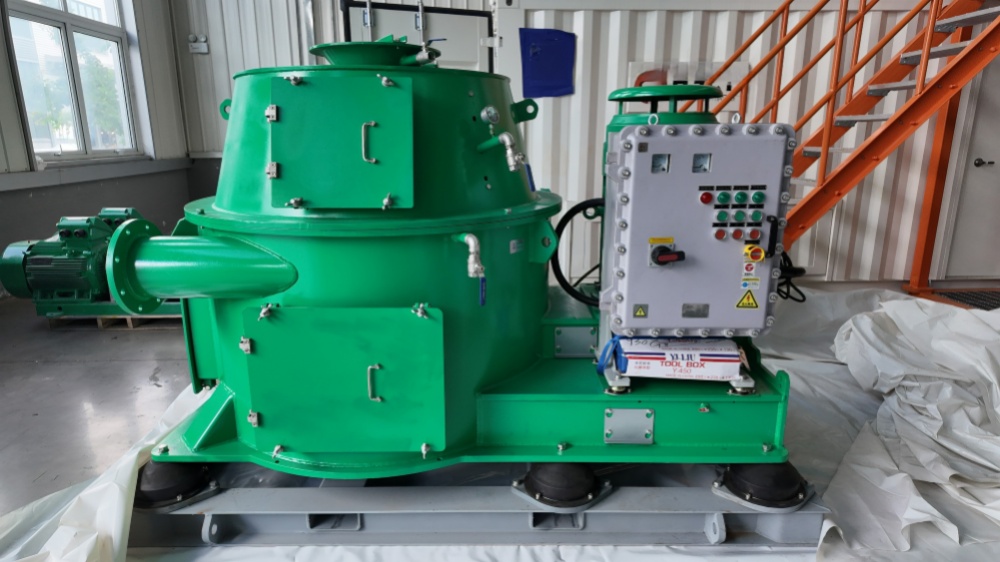
The decanter centrifuge is a central component of any advanced solids control system. Its primary function is the continuous separation of fine solids from drilling fluids. The machine operates on the principle of centrifugal sedimentation. A high-speed rotating bowl, or scroll, creates a powerful centrifugal force. As the drilling slurry is fed into the rotating assembly, this force drives the denser solid particles outward against the bowl wall. A helical conveyor, rotating at a slightly different speed, continuously scrapes and conveys the settled solids toward the conical end of the bowl, where they are discharged. The clarified liquid, now with a significantly reduced solids content, flows out from the opposite end. This process is crucial for maintaining optimal drilling fluid properties, controlling mud weight, and reducing overall waste volumes. For MENA clients operating with high-density, weighted muds or dealing with oily cuttings, the centrifuge’s ability to remove particles as fine as 2–5 microns is essential for both operational efficiency and environmental compliance. The reliability of these machines, often built with dual-phase stainless-steel bowls and premium drive components, ensures minimal downtime in demanding desert and offshore environments.
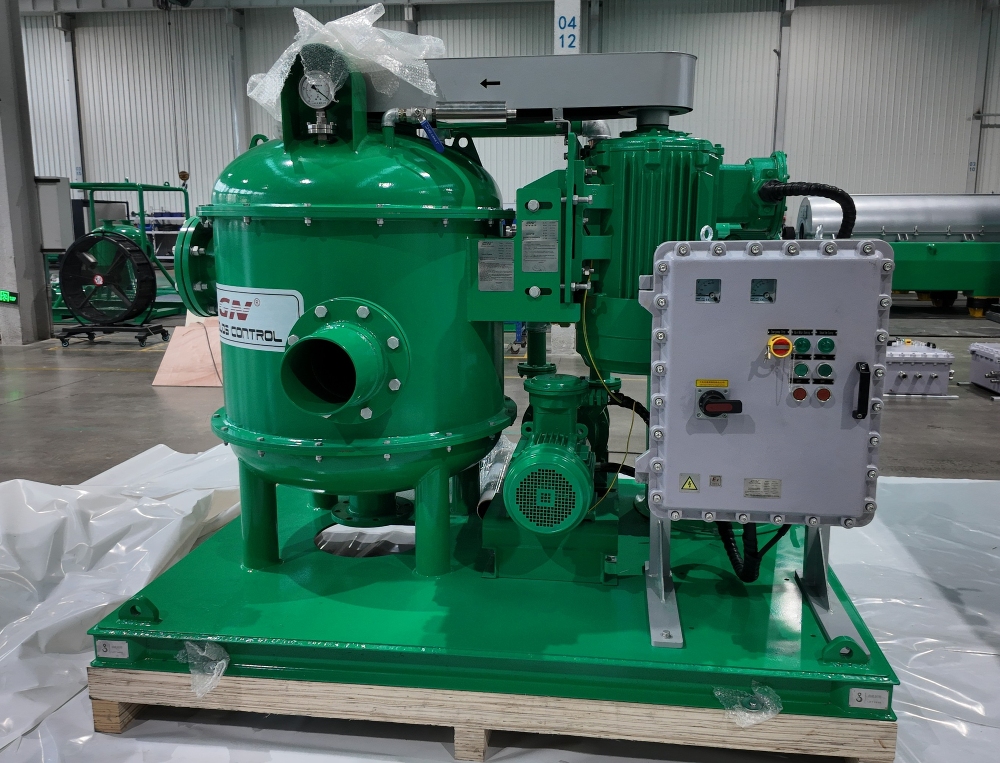
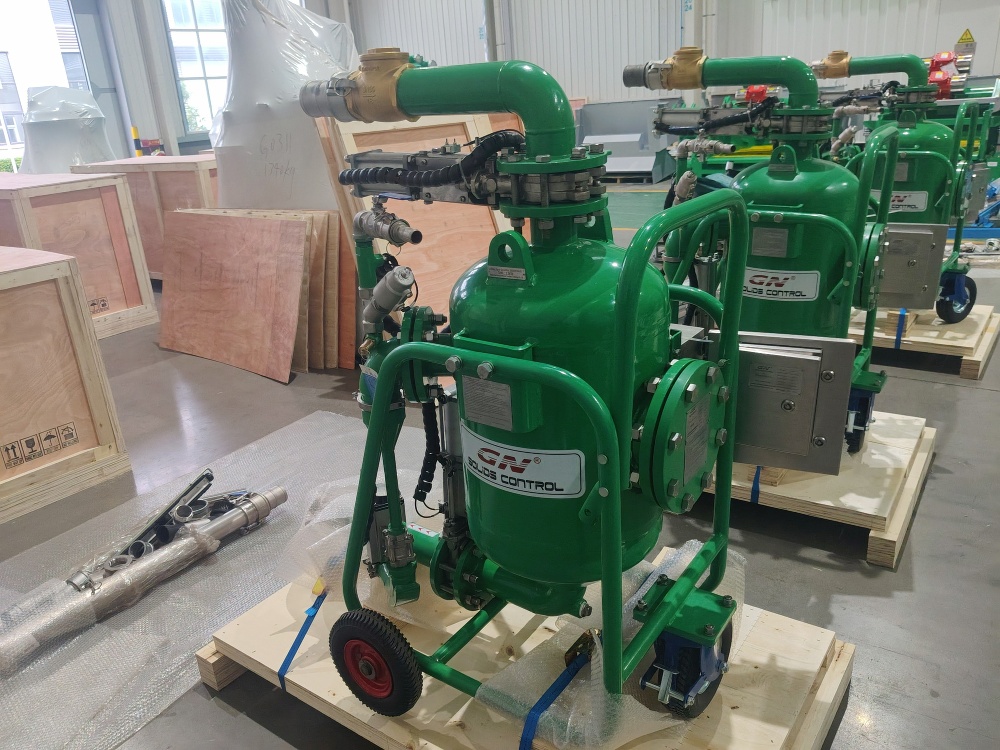
Complementing the separation process is the solid vacuum pump, a technology that revolutionizes the handling and transport of drill cuttings and other semi-solid wastes. Unlike mechanical conveyors, this system operates on an air-driven, non-contact principle. Compressed air is forced through a specialized venturi, creating a powerful vacuum within a sealed chamber. This vacuum, which can reach up to 25 inches of mercury, draws material through an intake hose from sources such as mud pits, tank bottoms, or shaker discharge points. The material is conveyed pneumatically through a pipeline over considerable distances—up to 1000 meters for discharge—and deposited directly into collection containers or the feed hopper of a downstream centrifuge or processing unit. The key advantages for MENA operations are profound. The system eliminates the need for open excavation with excavators, drastically reducing airborne dust, spillage, and safety hazards on the rig site. Its ability to handle high-density, sticky, or abrasive materials with minimal moving parts translates to very low maintenance and high uptime. This makes it ideal for cleaning out reserve pits, transferring cuttings to centralized treatment areas, or handling proppant and other dry powders, all common tasks in the region’s extensive drilling campaigns.
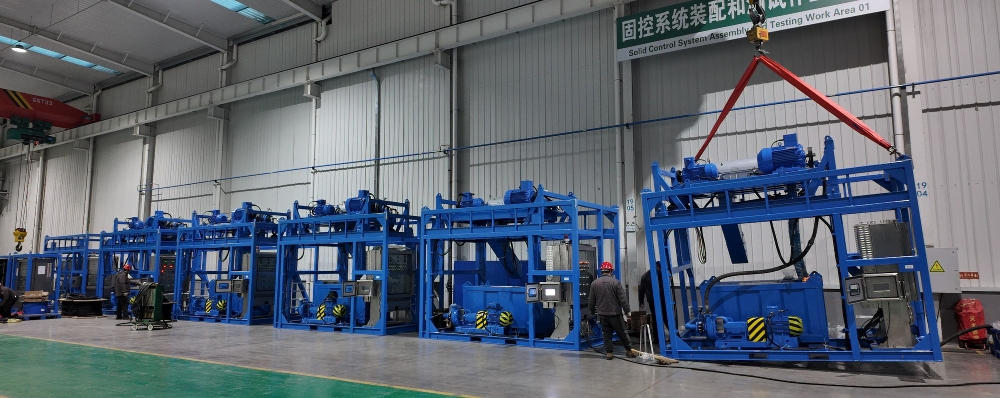
The synergy between these two technologies forms the backbone of efficient and responsible waste management. A typical workflow involves using the solid vacuum pump to collect drill cuttings from various points across the rig site. It transports this slurry directly and cleanly to a decanter centrifuge. The centrifuge then dewaters the slurry, separating it into a dry cake (with moisture content often below 30%) and recovered water. This dry solid is more stable, greatly reduced in volume, and suitable for safe disposal or further treatment, while the water can be treated and potentially reused. This integrated approach directly addresses the tighteningenvironmental regulations in MENA countries, helping operators move away from traditional, non-compliant lagoon-based disposal methods.
GN Solid Control’s penetration into the MENA market is further strengthened by its commitment to localized support and customization. The company provides tailored solutions, selecting appropriate pump models and configuring centrifuge parameters to match specific material characteristics, from high-viscosity oil-based muds to fine desert sands. Furthermore, its equipment is designed with regional conditions in mind, featuring corrosion-resistant components and intrinsically safe, explosion-proof designs for hazardous area operations. This combination of robust, effective technology and responsive service has cemented GN Solid Control’s reputation as a reliable partner for oil and gas operators across the Middle East and North Africa, providing the essential tools for productive and environmentally sound drilling operations.