A batch of solid vacuum pumps has completed final testing and is now cleared for shipment. This delivery represents the culmination of a rigorous quality assurance process, not a routine warehouse dispatch. Every unit in this batch underwent a 100% performance inspection using a computer-controlled testing system that measures and records the complete performance curve of each pump.
The testing protocol for this batch followed established industrial standards. Each vacuum pump was connected to a test rig equipped with calibrated vacuum measurement devices that maintain NIST traceability. This ensures the accuracy of all recorded data and provides verifiable proof that each unit meets its specified performance parameters. The test data for every pump has been archived and is available for customer review, offering full transparency into the quality control process.
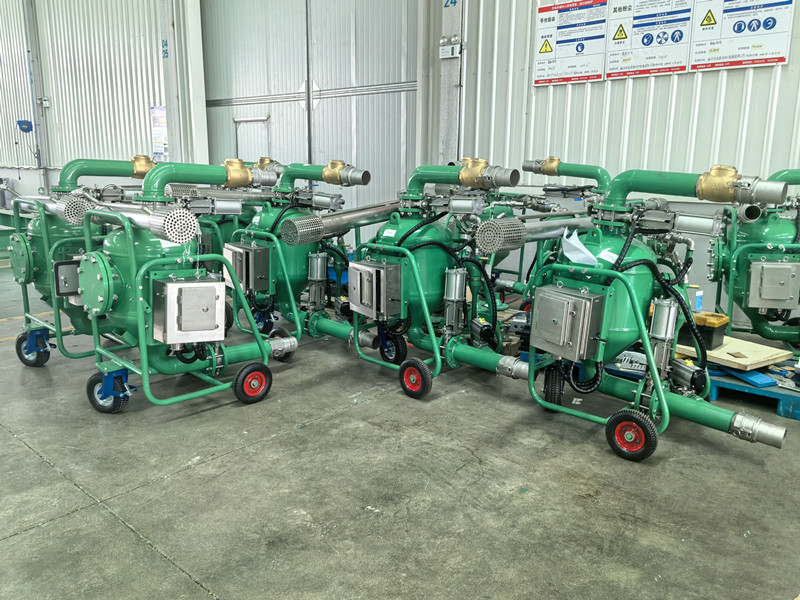
The performance verification focused on several key operational metrics. Suction capacity was measured to confirm each unit achieves its rated vacuum level within the specified time frame. Power consumption was monitored to ensure energy efficiency falls within acceptable tolerances. Vibration and noise levels were also assessed, as these factors directly impact the operational lifespan of the pump and its suitability for various installation environments.
The pumps in this batch are designed for handling dry, solid particulate matter in industrial applications. Their construction features wear-resistant components that withstand abrasive materials without compromising performance. The internal rotor and vane geometry has been optimized to maintain consistent suction force even when processing fine powders or granular solids. This design makes them suitable for pneumatic conveying systems, dust collection setups, and material handling processes across multiple industries.
Each unit underwent a burn-in period during testing, running continuously for a set duration to identify any potential early-life failures. This accelerated aging process helps ensure that the pumps delivered to customers have already demonstrated operational stability beyond initial startup. The burn-in phase also allows technicians to verify that all seals maintain integrity under sustained vacuum conditions, preventing leaks that could reduce efficiency or allow contamination.
The shipment preparation follows a structured protocol designed to protect the equipment during transit. Each vacuum pump is individually sealed to prevent moisture ingress and contamination. The pumps are then secured in custom packaging that isolates them from vibration and impact forces encountered during freight handling. For this batch, the packaging configuration separates the pump body from any auxiliary components, reducing overall shipment volume and allowing more efficient use of cargo space.
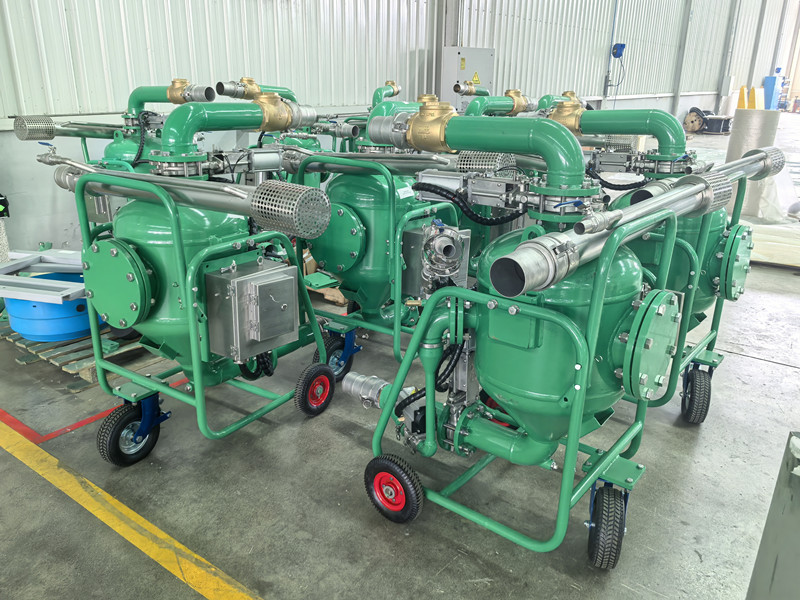
The destination for this batch includes multiple industrial facilities that have integrated these pumps into their production lines. The confirmed orders reflect the growing demand for reliable solids-handling vacuum equipment in sectors such as cement processing, food powder handling, and chemical manufacturing. The delivery schedule has been coordinated with each customer’s installation timeline, allowing them to plan their commissioning activities with certainty.
This shipment also represents the manufacturer’s commitment to maintaining adequate inventory levels for their distribution network. By completing the full testing cycle before dispatch, the company ensures that their partners receive equipment that is ready for immediate installation without requiring additional on-site verification. This practice reduces the customer’s incoming inspection burden and accelerates their time-to-production.
The completion of this testing and dispatch cycle reinforces the manufacturer’s position as a dependable supplier of industrial vacuum technology. The documented performance data accompanying this shipment provides customers with a baseline for ongoing equipment monitoring and maintenance planning. This information also supports warranty claims and future service decisions, creating a complete equipment lifecycle record from factory acceptance to field operation.