Category Archives: Uncategorized

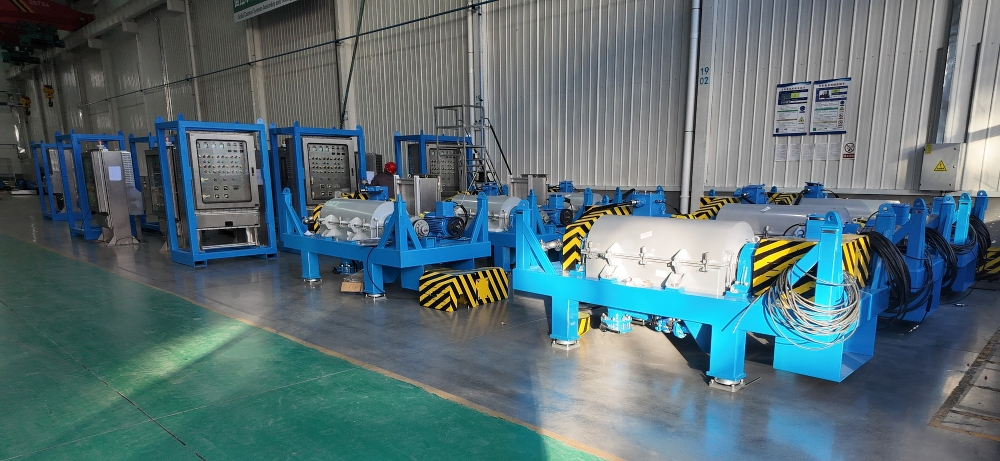
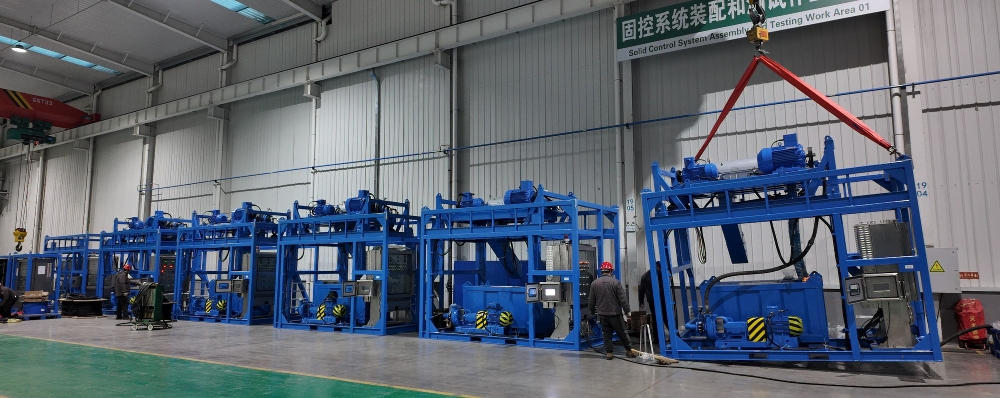
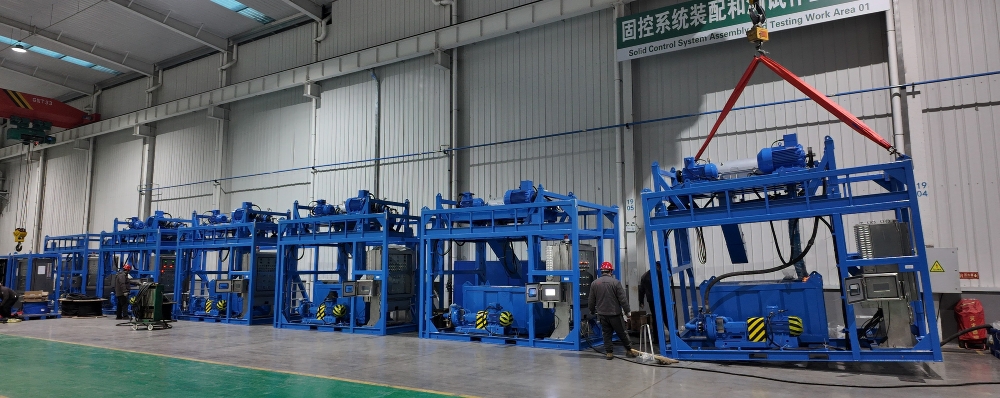
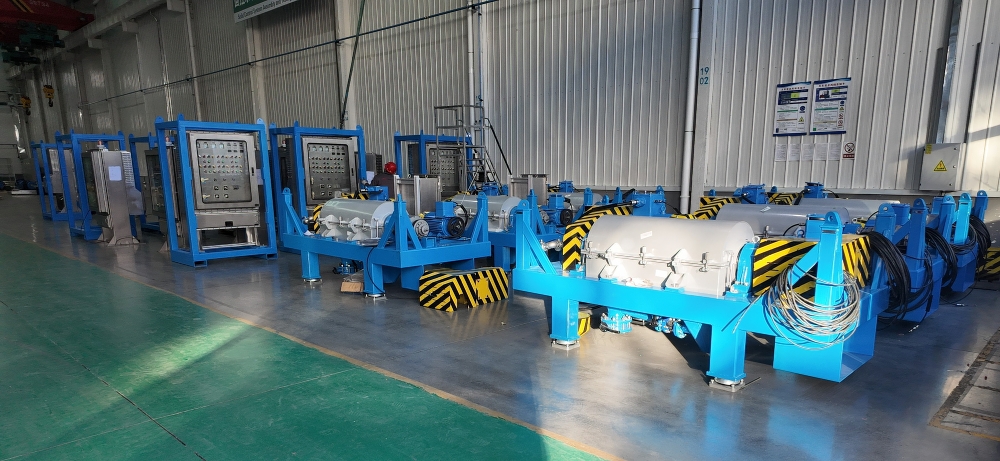
GN Mining Vibrating Screen and Large Bowl Decanter Centrifuge for Slurry Treatment in US Construction Engineering

Slurry management is a critical operational and environmental challenge in modern US construction projects, including horizontal directional drilling (HDD), tunneling, piling, and large-scale foundation works. Efficient separation of solids from water-based slurries is essential for reducing disposal costs, minimizing environmental impact, and enabling water reuse on-site. GN Solid Control, a leading Chinese manufacturer of separation equipment, provides a targeted two-stage solution for this application: the Guan Neng Mining Vibrating Screen combined with the GNLW764A-VFD Large Bowl Decanter Centrifuge. This equipment pairing is engineered to meet the stringent demands of the US construction sector for high throughput, operational reliability, compliance with environmental regulations, and cost-effective performance.

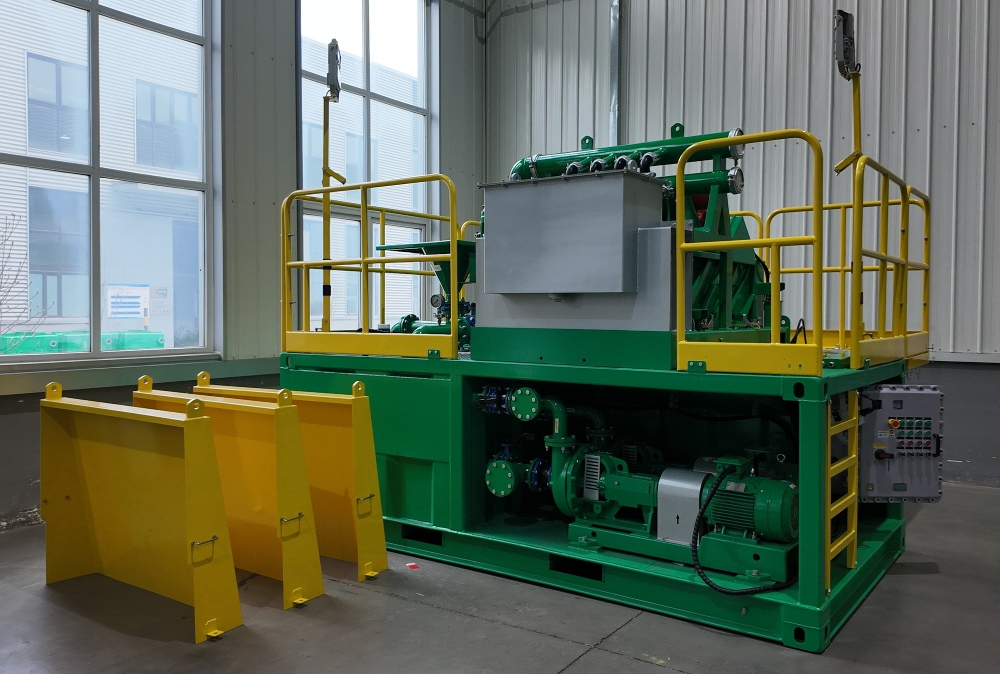
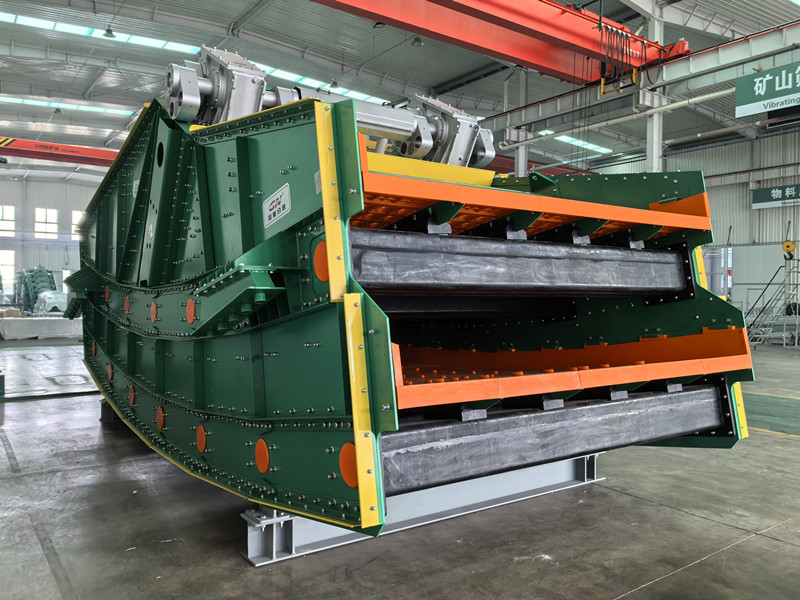
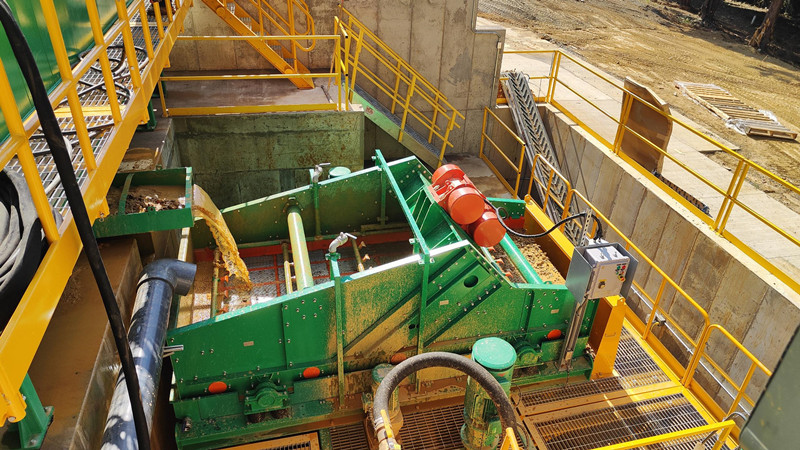
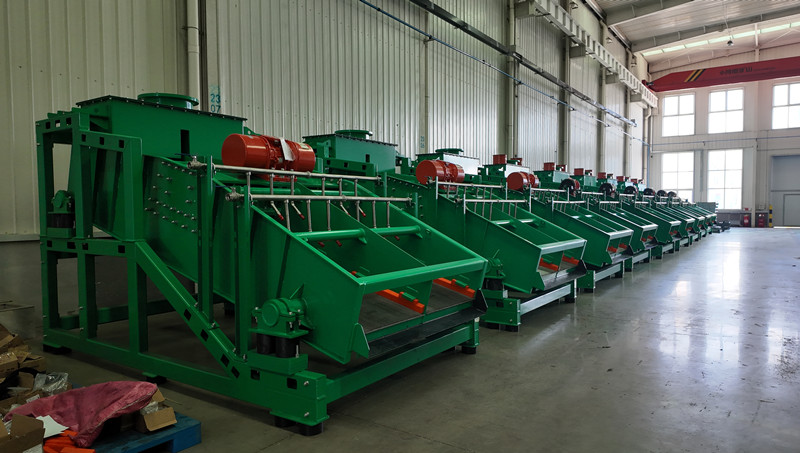
The first stage of this system utilizes the GN Heavy-Duty Double-Deck Mining Vibrating Screen. This equipment is designed for primary, high-volume solid-liquid separation, handling abrasive, high-moisture, and viscous slurries typical in construction. Its robust construction, featuring a high-strength alloy steel plate body without welded seams, ensures structural integrity and longevity under continuous heavy loads. The double-deck design enables efficient classification; the upper screen removes large particulates like rock fragments and concrete debris, while the lower screen separates finer solids. This preliminary stage can remove over 70% of solids from the incoming slurry, significantly reducing the volume and load for the subsequent centrifugal stage. The screen’s modular, skid-mounted design allows for rapid deployment and relocation between job sites, a key advantage for US contractors facing tight schedules and limited space. Its high screening efficiency and effective dewatering have led to its adoption in major infrastructure projects across states like California and Texas.

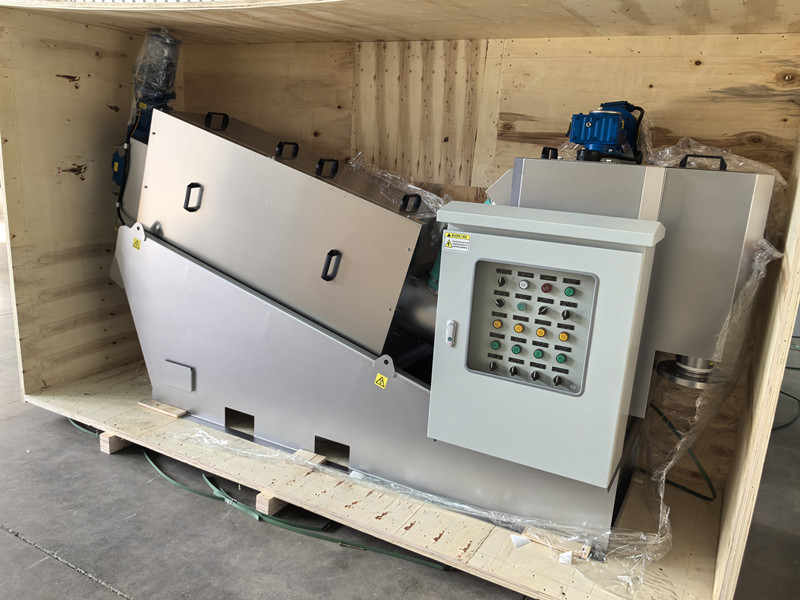
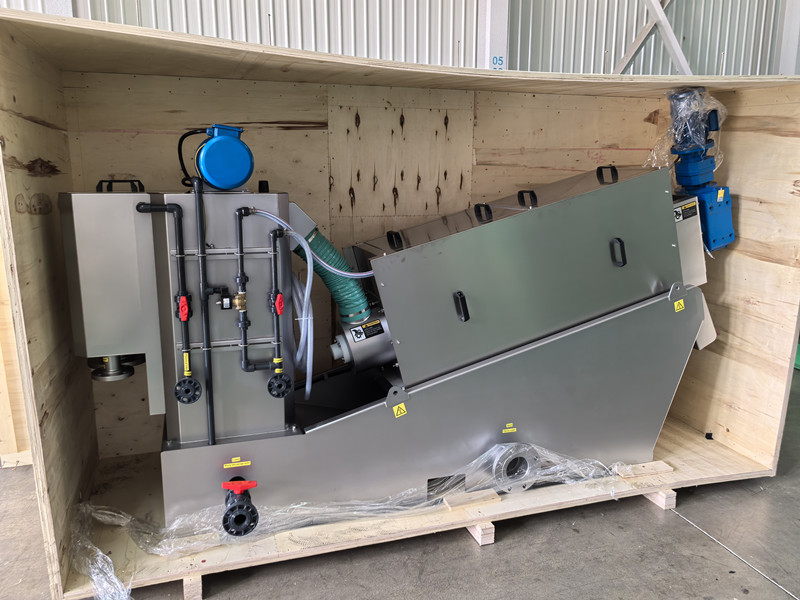
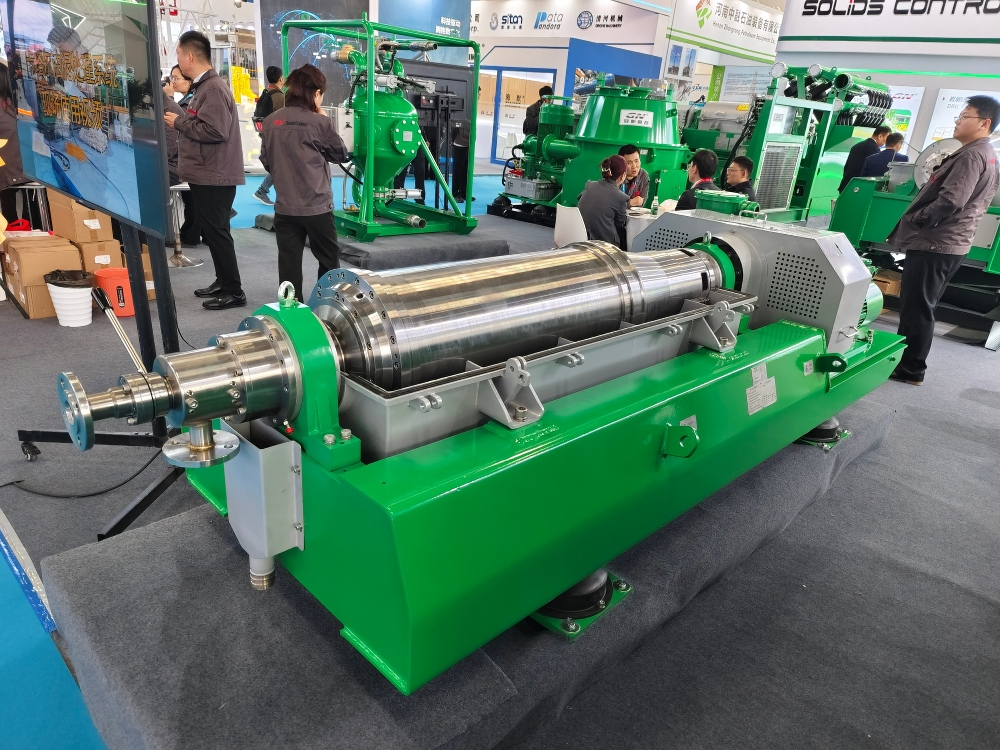
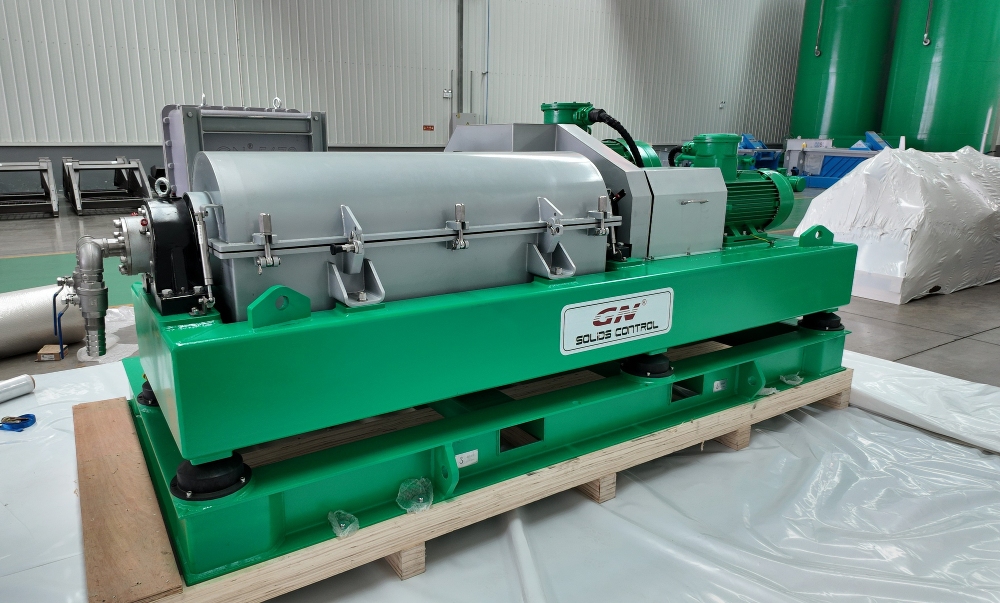
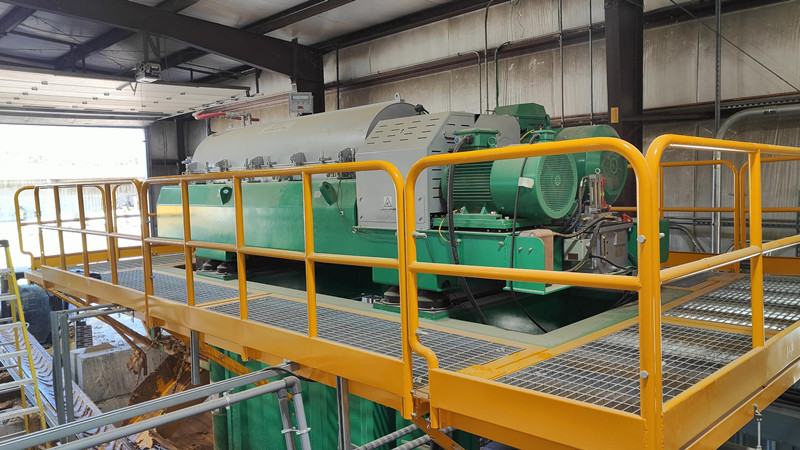
For fine separation and deep dewatering, the processed slurry from the vibrating screen is fed into the GN GNLW764A-VFD Large Bowl Decanter Centrifuge. This model represents the high-capacity end of the GN-MD series, with a bowl diameter of 760 mm and a length of 3328 mm. Its high separation factor, up to 3000 G, allows it to efficiently process construction slurries with solid contents ranging from 15% to 25%. Key to its durability in corrosive environments, such as coastal US projects, is the bowl construction from centrifugally cast duplex stainless steel (SS2205). Critical wear components, including the solid discharge ports lined with tungsten carbide and the conveyor flights fitted with replaceable wear-resistant alloy plates, are designed for extended service life and reduced maintenance frequency.

The centrifuge’s operational intelligence and efficiency are driven by its PLC+VFD+HMI (Programmable Logic Controller, Variable Frequency Drive, Human-Machine Interface) control system. Operators can monitor and adjust parameters like bowl speed, differential speed, and feed rate in real-time via a touchscreen to optimize performance for varying slurry conditions. This system supports automated, continuous 24/7 operation, which is vital for large-scale US projects. Energy efficiency is enhanced through a dual-motor drive system, where the secondary motor can enter a power regeneration mode under certain conditions. Furthermore, the machine incorporates an automatic lubrication system and undergoes triple dynamic balancing, resulting in low vibration and noise levels that comply with US OSHA standards. An integrated internal washing system prevents clogging and ensures consistent operation.

The combined workflow is highly effective. Slurry from the construction site is first pumped to the vibrating screen for coarse solids removal. The screened slurry then enters a buffer tank, where flocculants (e.g., PAM) may be added to agglomerate fine particles. This conditioned slurry is pumped into the GNLW764A-VFD centrifuge. Under high centrifugal force, the slurry is separated into a dense cake with a moisture content of 50%-70% and a clarified centrate. The cake can be transported for use as fill material or to approved landfills, while the clarified water can be recycled on-site for dust suppression, equipment washing, or concrete batching, achieving over 90% water recovery. This closed-loop process drastically reduces freshwater consumption and wastewater discharge, aligning with US Environmental Protection Agency (EPA) regulations and sustainability goals.

This two-stage system offers distinct advantages over traditional dewatering methods like plate-and-frame or belt filter presses. It requires approximately one-third of the footprint, offers higher automation with minimal staffing needs, and eliminates recurring costs associated with filter cloth replacement. Operational costs are lower, with typical daily energy consumption for the system ranging between $80 and $150. Single-unit processing capacity is high, capable of handling 80 to 120 cubic meters of slurry per day.

GN’s success in the competitive US market stems from a client-focused approach to product development and support. The company maintains a dedicated overseas technical team and continuously refines its equipment based on field feedback. Adaptations for the US market include offering explosion-proof motor options (Class I Div 2) to meet specific state requirements, providing HMIs with English and Spanish language interfaces, and utilizing internationally recognized brand-name components for critical parts to ensure compatibility with local maintenance supply chains.

In conclusion, the GN Mining Vibrating Screen and GNLW764A-VFD Large Bowl Decanter Centrifuge form a proven, efficient, and reliable solution for slurry treatment in US construction engineering. By delivering high performance, durability, regulatory compliance, and significant cost and environmental benefits, this equipment combination has established itself as a core component in modern, responsible construction practices. Its widespread adoption signifies the recognition of Guan Neng’s technological capability and positions it as a leading provider in the global market for advanced solid-liquid separation technology.

GN Trash Screen Used for Impurity Removal before Iron Ore Flotation

The GNGZ1840A Iron Ore Pre-Flotation Trash Removal Screen from GN is a specialized piece of industrial equipment designed for the critical task of removing foreign materials from iron ore slurry prior to the flotation process. In mineral processing, the purity of the feed material directly dictates the efficiency, cost, and safety of downstream separation stages. The primary function of this screen is to efficiently separate and remove non-metallic contaminants such as plant roots, tree bark, detonation fuse remnants, plastic fragments, and other coarse waste that is commonly introduced during mining, blasting, and handling operations.

Flotation is a physicochemical process where valuable minerals are separated from gangue by exploiting differences in surface properties. The presence of organic and fibrous interferes fundamentally with this mechanism. These materials can absorb flotation reagents intended for the target iron oxides, destabilize the froth layer, cause blockages in feed pipes and launders, and accelerate wear on mechanical components like impellers and stators. This leads to inconsistent metallurgical performance, including reduced concentrate grade and recovery, increased reagent consumption, and unplanned maintenance stops. Therefore, implementing a reliable pre-flotation screening stage is not merely an improvement but a necessity for modern, efficient plant operation.


The GNGZ1840A model addresses these challenges through an engineered combination of high-frequency linear vibration and a specially designed screening surface. The core of its operation is a pair of high-speed vibration motors that generate a high-frequency, low-amplitude linear motion. This specific vibration trajectory promotes rapid stratification of the slurry on the deck. Heavier ore particles, with higher kinetic energy, tend to move across and off the screen, while lighter, fibrous, and bulky remain on the surface for discharge at the tail end. The high frequency prevents the typical issues of blinding and packing associated with damp, clayey ores, ensuring consistent screening efficiency.

A key component is its screen panel, often constructed from flexible polyurethane. This material offers superior abrasion resistance compared to traditional steel wire mesh, which is crucial given the highly abrasive nature of iron ore. Its elasticity and anti-corrosion properties contribute to a longer service life and reduced maintenance. The open area and aperture size are precisely calculated to allow the sub-screen size ore slurry to pass through freely while effectively intercepting particles above a specific cut point, typically customizable between 0.5mm to 5mm based on specific ore characteristics.

The operational benefits of deploying the GNGZ1840A are measurable and significant. First, it safeguards flotation performance. By providing a cleaner feed, the flotation cells operate under more stable and predictable conditions. Reagents interact more selectively with the target iron minerals, resulting in a more stable froth and improved final concentrate quality. Plant reports from analogous applications indicate potential increases in iron concentrate grade by 1-2 percentage points and gains in overall recovery.

Second, it enhances equipment reliability and reduces operating costs. Removing abrasive and obstructive materials before they enter the flotation circuit drastically reduces mechanical wear on pumps, pipelines, and flotation cell internals. This extends maintenance cycles, lowers spare parts consumption, and decreases the frequency of unplanned downtime. The reduction in manual cleaning of blocked equipment also improves site safety and lowers labor intensity.

Third, the screen contributes to process stability. It often incorporates a dewatering function, helping to deliver a more consistent and optimal slurry density to the flotation circuit. Stable feed density is critical for the accurate dosing of flotation reagents, preventing both overdosing (waste) and underdosing (reduced recovery).

Integration into an existing plant flow sheet is straightforward due to its compact design and modular nature. It can be installed after grinding and classification circuits, directly feeding the cleaned slurry to flotation feed pumps or distribution boxes. Its low dynamic load and energy-efficient operation make it suitable for both new greenfield projects and retrofits in space-constrained brownfield sites.

In conclusion, the GN GNGZ1840A Trash Removal Screen is a purpose-built, high-efficiency solution for a defined industrial problem. Its value proposition lies not in performing the final mineral separation, but in creating the optimal conditions for the flotation process to work at its highest potential. By ensuring that only ore, and not waste, enters the flotation cells, it directly protects product quality, equipment integrity, and operational profitability in iron ore processing plants. Its design, focusing on robust vibration mechanics and durable screening media, translates into a reliable, low-maintenance asset that is essential for achieving consistent, high-performance flotation operations.

GN Solid Control Pumps: A Technical Overview of Drilling Fluid Supply and Shearing Solutions for the European Market

The reliable and efficient handling of drilling fluids is a cornerstone of modern drilling operations. Two critical components in any solids control system are the drilling fluid sand pump and the shear pump. This article provides a direct technical examination of these pumps, focusing on their working principles and key performance characteristics, particularly in the context of their growing adoption by European clients.

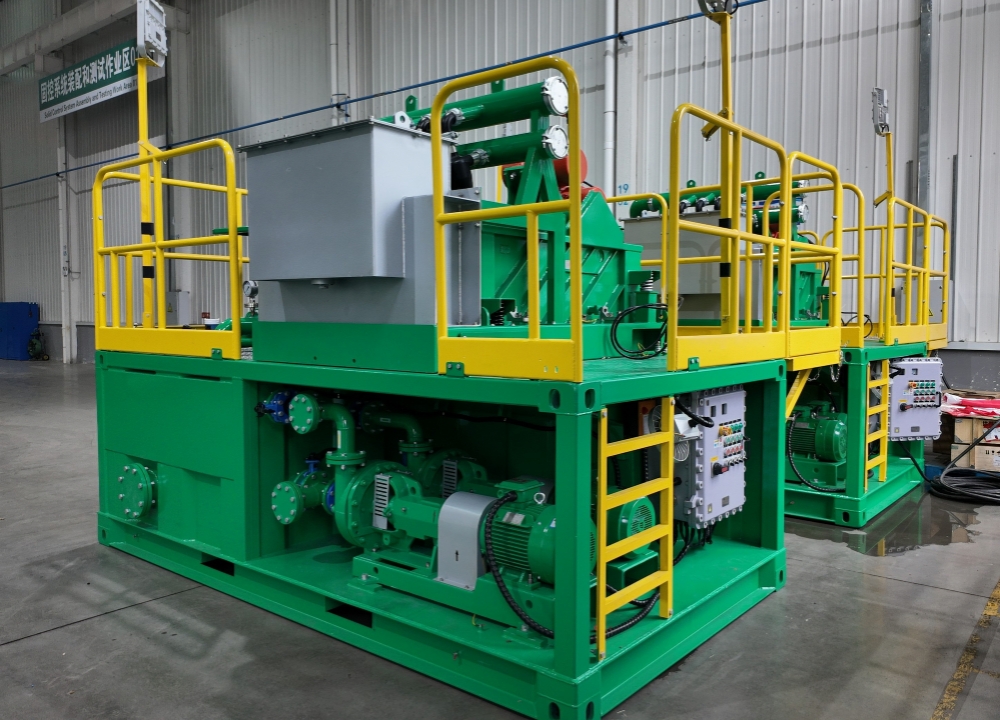
A drilling fluid sand pump, often a centrifugal pump, is primarily responsible for moving abrasive drilling fluids laden with solid cuttings. Its fundamental operation involves converting the rotational energy from an electric motor or diesel engine into kinetic energy to move the fluid.

The pump’s impeller, housed within a volute casing, rotates at high speed. This rotation creates a centrifugal force that pushes the drilling fluid outward from the impeller’s center towards the discharge outlet, simultaneously creating a vacuum at the impeller’s eye that draws more fluid in. This continuous process ensures a steady flow of fluid from primary separation equipment like shale shakers and desanders to subsequent processing units or storage tanks.

Performance is defined by several critical factors. Abrasion resistance is paramount; impellers and liners are manufactured from high-chrome white iron or other specialized wear-resistant alloys to withstand constant contact with abrasive particles. Efficiency is optimized through hydraulic design, ensuring maximum fluid movement for a given power input, which directly impacts operational fuel or electricity costs. Sealing system integrity is crucial to prevent leaks; options include robust mechanical seals or gland packing, chosen based on pressure and abrasiveness. Reliability for continuous, high-volume transfer under demanding conditions is the ultimate performance benchmark for these pumps.

While a sand pump moves fluid, a shear pump is designed to actively modify its properties. Its purpose is the mechanical shearing and hydration of drilling fluid additives, such as bentonite clay and polymers.

The working principle of a shear pump is more intensive than a standard centrifugal pump. It typically features a multi-stage rotor-stator assembly. As the fluid passes through the pump, it is subjected to extreme turbulence and mechanical shear forces between the high-speed rotor and the stationary stator. This action breaks down additive agglomerates (like “fish eyes” in polymer mixtures), dramatically increasing their surface area and enabling rapid, complete hydration with the water-based fluid.

Key performance metrics for a shear pump center on its shearing efficiency. This refers to the speed and completeness with which it can hydrate additives, which can reduce mixing time and additive consumption. The pump’s ability to generate high shear stress is critical for effectively processing high-viscosity fluids and breaking down tough polymer chains. Hydraulic capacity must be balanced with shearing intensity to ensure adequate throughput without becoming a bottleneck in the fluid preparation system. Like the sand pump, durability in a corrosive and demanding environment is essential.

The export of these pumps to European customers necessitates adherence to stringent regional standards. This includes conformity with the CE marking directive, encompassing safety requirements for machinery and electrical components. Furthermore, European operators often prioritize energy efficiency and environmental considerations, driving demand for pumps with optimized designs that minimize power consumption and incorporate features like low-noise motors. The provision of comprehensive technical documentation in relevant languages and robust after-sales support structures are also critical factors for success in this mature and quality-conscious market.

In conclusion, the drilling fluid sand pump and shear pump perform distinct but equally vital roles. The sand pump acts as the circulatory system of the solids control setup, ensuring continuous fluid movement. In contrast, the shear pump functions as a precision tool for fluid conditioning, directly impacting drilling efficiency and cost. The technical sophistication, reliability, and compliance with international standards demonstrated by these pumps form the foundation of their successful integration into demanding European drilling operations.

GN 13 Units 5-Deck Stack Vibrating Screen for Classification of Ilmenite Ore

In the world of mineral processing, efficiently separating valuable minerals from waste is a constant challenge. For ilmenite, a key source of titanium, one of the most critical steps happens after the ore is crushed and ground. This step, called classification, ensures that particles are the right size before the next stage of separation. For a long time, traditional equipment like cyclones were used, but they often struggled with inefficiency. Enter the game-changer: the GN 5-Deck stack vibrating Screen. This advanced technology is setting new standards in ilmenite processing plants.

So, what makes this screen so special? Imagine not one, but five screening decks stacked on top of each other, all vibrating in perfect sync. This is the core of the GNZ screen’s design. Powered by a highly efficient dual-vibration motor system, it creates a high-speed, low-amplitude vibration. This gentle but rapid shaking action is perfect for handling wet, fine-grained materials like ground ilmenite. The screens are lined with tough, flexible polyurethane panels that resist wear and clogging, which is essential for the abrasive nature of ilmenite ore.

The magic happens in its operation. A slurry of ground ilmenite and water is fed evenly onto the top screen. As the stack vibrates, the material is spread thinly across the surface. The fine particles, which are the correctly ground target material, quickly pass through the screen’s openings. The coarser particles, which need to be sent back for more grinding, are carried across the screen and discharged from the end. This process is repeated across each of the five layers, ensuring a remarkably thorough and efficient separation.

The benefits for an ilmenite processing plant are substantial. The most significant advantage is precision. Traditional cyclones often allow some fine, valuable particles to be mistakenly sent back to the grinder. This “over-grinding” not only wastes energy but can also make the ultrafine particles too difficult to recover later. The GNZ screen provides a much sharper cut, significantly reducing over-grinding. This directly translates to higher recovery rates—meaning more titanium is captured—and a higher grade of final concentrate.

  1. Furthermore, the GN 5-Deck vibrating screen is a powerhouse when it comes to capacity. A single unit, with its five decks, offers a massive screening area equivalent to several traditional machines. This compact, multi-layer design saves valuable floor space, a major advantage for both new installations and upgrades to existing plants. The result is a huge boost in processing capacity without a corresponding increase in the plant’s footprint.

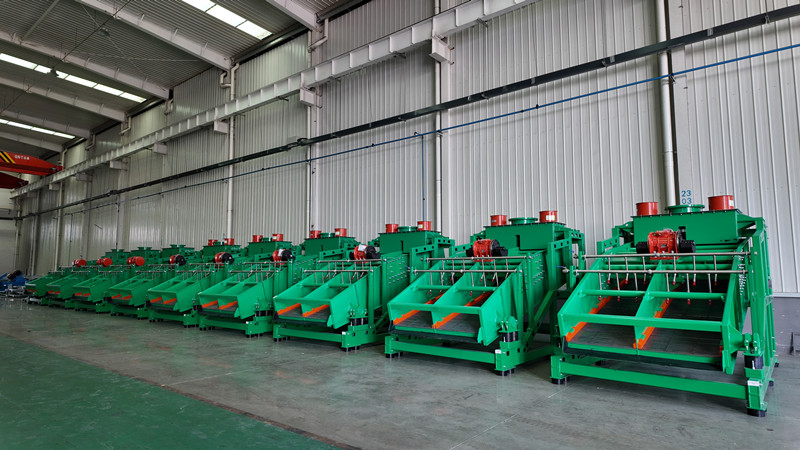
The use of 13 unit GN 5-Deck vibrating screens in a large-scale operation represents a strategic move towards maximum efficiency and reliability. This configuration can handle immense volumes of ore, ensuring a continuous and stable flow through the grinding circuit. By working together, these screens create a highly efficient closed-loop system: the finely classified material moves forward for extraction, while the oversize material is efficiently returned for further grinding. This smooth operation leads to more consistent product quality and higher overall plant productivity.

Beyond performance, these screens are designed for durability and easy maintenance. Key components are built to withstand the harsh, abrasive conditions of a mineral processing plant. When a screen panel does need replacement, the modular design allows for a quick swap, minimizing downtime and keeping the production line running.

In summary, the application of 13 GN 5-Deck vibrating Screens in an ilmenite grinding circuit is a textbook example of smart technology solving industrial challenges. By delivering precise classification, high capacity, and robust reliability, this system directly addresses the core inefficiencies of traditional methods. It unlocks higher mineral recovery, improves product quality, reduces energy consumption, and paves the way for a more profitable and sustainable ilmenite processing operation. It’s not just an equipment upgrade; it’s a strategic leap forward.

Handling Tough Pharmaceutical Wastewater: How the GNLW364 Decanter Centrifuge Makes a Difference

Pharmaceutical companies around the world face a common challenge: what to do with their wastewater. This isn’t your typical sewage. This water is complex, often loaded with high concentrations of organic chemicals, leftover antibiotics, solvents, and various solid residues from drug manufacturing. If not treated properly, this wastewater can be toxic to the environment. Traditional biological treatment methods, which rely on microbes to break down waste, often struggle because these very chemicals can kill the helpful microorganisms.

This is where advanced physical separation technology comes in, and the GNLW364 Decanter Centrifuge from GuanNeng is proving to be an ideal solution for overseas pharmaceutical plants.

Think of it as a super-powered spin-dryer. Its core job is to separate solids from liquids continuously and efficiently. The wastewater is fed into a high-speed rotating drum. Due to the powerful centrifugal force generated—thousands of times stronger than gravity—the heavier solid particles are flung against the walls of the drum. A built-in scroll (like a screw) slowly pushes these separated solids towards one end for discharge, while the now-cleaned liquid flows out the other end.

  1. Built to Last Against Corrosion: Pharmaceutical wastewater can be highly corrosive, containing acids, alkalis, and solvents. The GNLW364 is constructed with premium Duplex Stainless Steel 2205 for all parts that touch the liquid. This material is exceptionally resistant to rust and chemical attack, ensuring the machine has a long life and requires less maintenance, even in harsh conditions. This durability is a key concern for overseas plants looking for reliable, long-term equipment.
  2. Smart Design for Maximum Dryness: A key feature is its optimized “beach angle” design. This might sound technical, but it simply means the shape of the drum is perfected to allow solids to be pressed and drained for a longer time before being pushed out. The result? The separated sludge is much drier (often with a water content below 75%), making it easier and cheaper to dispose of. The cleaned water, on the other hand, is much clearer, with over 90% of solids removed.
  3. Adaptable to Changing Conditions: Pharmaceutical production batches can vary, meaning the wastewater composition changes too. The GNLW364 is smart enough to handle this. Its advanced control system allows operators to fine-tune the rotation speed of the drum and the speed of the internal scroll. This adjustability means the centrifuge can be optimized in real-time to handle different types of sludge, whether it’s thick organic waste, fine crystal particles, or other solids.
  4. Works Well with Treatment Chemicals: Often, special chemicals (called flocculants) are added to the wastewater to make tiny particles clump together into larger chunks, making them easier to separate. The GNLW364 is designed to work seamlessly with these dosing systems, boosting its efficiency in capturing even the finest particles that would otherwise be impossible to remove.

Benefits for an Overseas Pharmaceutical Plant

By installing a GNLW364 centrifuge as a primary treatment step, a pharmaceutical plant can achieve several critical goals:

  • Protects Downstream Systems: By removing most of the solids and toxic materials upfront, it protects the delicate biological treatment stages that might follow, preventing microbial poisoning and ensuring the whole system runs smoothly.
  • Meets Strict Regulations: It helps plants consistently meet the tough environmental discharge standards set by countries in Europe, North America, and other regions.
  • Reduces Overall Costs: Producing drier sludge means lower waste disposal volumes and costs. The machine’s reliability and low maintenance needs also contribute to a lower total cost of ownership.
  • Supports Sustainability: It enables efficient waste reduction and water recycling, aligning with modern green manufacturing principles.

In summary, treating pharmaceutical wastewater is a difficult but essential task. The GN GNLW364 Decanter Centrifuge offers a robust, efficient, and intelligent solution. Its strong construction, high separation efficiency, and operational flexibility make it a trusted partner for pharmaceutical companies worldwide in their mission to operate responsibly and protect the environment. It’s a great example of how targeted engineering can solve complex industrial challenges.

GN 5-Deck Stack Vibrating Screen for Doemstic Iron Mine

In the world of mining, efficiency is everything. For iron ore projects here in China, the challenge is clear: how to process more material, faster, and with less energy, all while meeting strict environmental standards. The answer often lies in the technology we use for one of the most fundamental steps – screening.

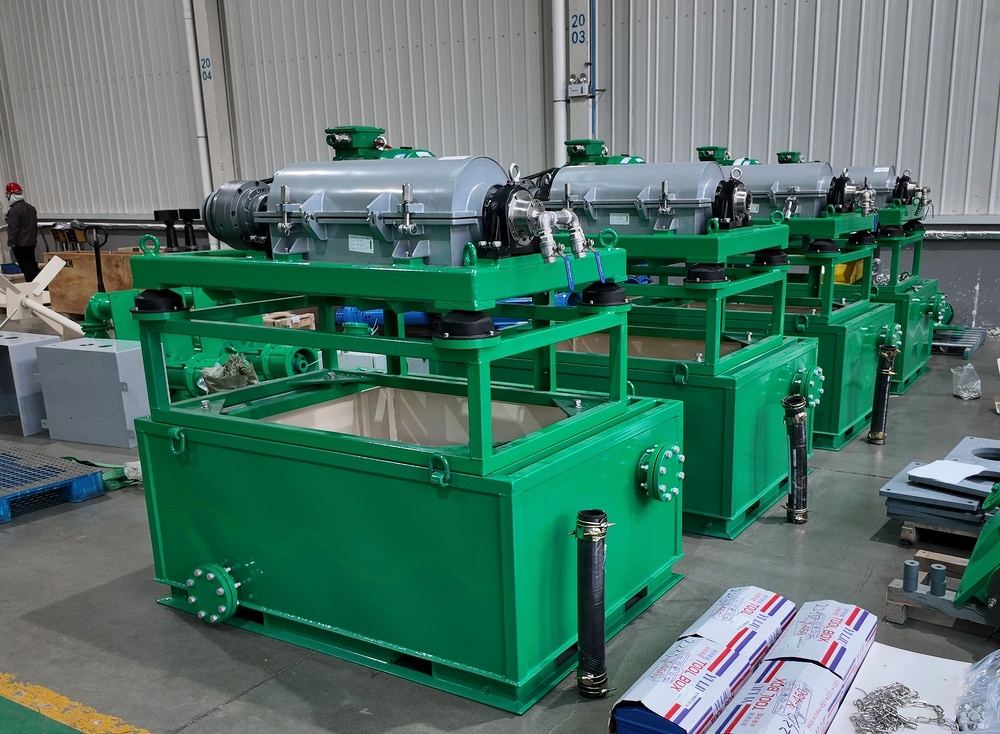
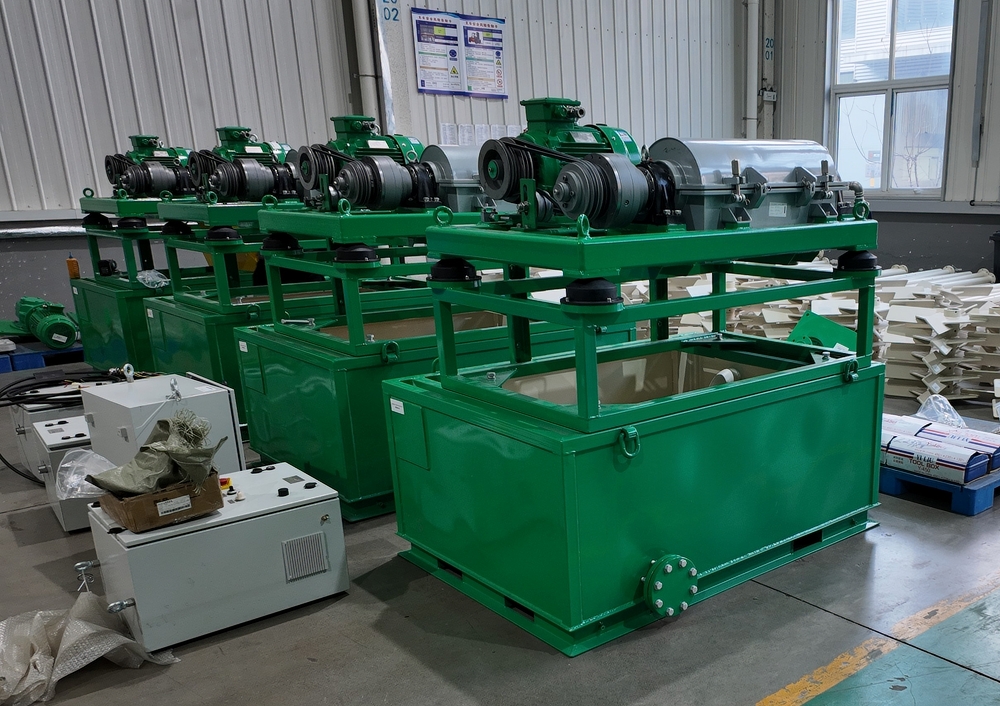
Imagine a single screening unit that does the work of several traditional screens. That’s the core idea behind the GN Five-Deck Screen. Instead of having a single layer for separation, this innovative machine stacks up to five screens on top of each other. This compact, vertical design is a huge space-saver for processing plants, but its real advantage is a massive boost in processing capacity.

Multi-Layer Power: This is its standout feature. A single stream of iron ore slurry (a mix of ore and water) is fed onto the top screen. As the material moves down, each subsequent screen has a finer mesh. This allows for incredibly precise classification of particles into different size fractions – all in one pass. You get several accurately sized products from a single machine.

  1. High-Frequency Vibration: Driven by two powerful, self-synchronizing motors, the screen generates a high-speed, linear vibration. This sharp, rapid movement is perfect for dealing with fine, damp materials common in iron ore processing. It keeps the material fluid, prevents the screen meshes from clogging, and ensures a clean, efficient separation.
  2. Built to Last: Iron ore is tough and abrasive. GN screens are built to handle this challenge. The screen panels are often made from durable polyurethane, which is highly resistant to wear and tear, lasts much longer than metal wire, and is less prone to blocking. The robust steel structure is designed for continuous, heavy-duty operation with minimal maintenance.

How does this advanced design translate into real-world benefits for an iron ore processing plant? Let’s look at two key applications:

  • Closed-Circuit Grinding: This is where the GN screen truly shines. In a typical grinding circuit, a ball mill crushes the ore, and a hydrocyclone classifies it. However, hydrocyclones aren’t perfect and can send a lot of fine, already-ready material back to the mill. This “over-grinding” wastes energy. By installing a GN Five-Deck Screen to precisely capture these fine particles, you significantly reduce the load on the mill. The result? Higher throughput, lower energy consumption, and a better-quality final concentrate.
  • Dewatering and Tailings Management: Water management is crucial. The GN screen excels at dewatering fine iron ore concentrates or tailings (the waste material). Its high-frequency action effectively shakes water out of the slurry, producing a drier product. For tailings, this means they can be stacked drier and safer, reducing the environmental footprint and the risks associated with large tailings ponds.
  • Increased Capacity: Process more tons per hour within the same footprint.
  • Lower Operating Costs: Save significantly on energy, especially by optimizing the grinding circuit.
  • Improved Product Quality: Achieve sharper particle size separation for a higher-grade concentrate.
  • Enhanced Sustainability: Reduce water usage and manage tailings more responsibly.

As China continues to focus on maximizing the potential of its domestic iron ore resources, technology like the GN Five-Deck Screen is no longer just an option—it’s a strategic advantage. It represents a step forward towards smarter, greener, and more profitable mining operations.


Selling GN-Centrifugal Pump Packages and Vacuum Degassers to Asian Customers

In recent years, the demand for industrial equipment in Asia has been steadily rising, presenting a lucrative opportunity for businesses in the machinery industry. This article aims to explore the market potential for selling GN-centrifugal pump packages and vacuum degassers to Asian clients, highlighting the key features, benefits, and market strategies for these products.

GN-Centrifugal pump packages, also known as pump systems, are widely used in various industries for fluid transportation. These packages consist of a centrifugal pump, an electric motor, a control panel, and other necessary components. The primary function of a centrifugal pump is to convert mechanical energy into fluid energy, efficiently moving liquids or gases from one place to another.

GN-Centrifugal pump packages offer exceptional performance, with the ability to handle a wide range of fluids, including corrosive, viscous, and abrasive substances. Their versatility makes them suitable for diverse applications in industries such as oil and gas, chemical processing, water treatment, and power generation.

ency and Cost Savings:One of the key advantages of centrifugal pump packages is their energy efficiency. By utilizing advanced motor technologies and hydraulic designs, these systems minimize energy consumption while delivering optimal performance. This translates into significant cost savings for businesses, reducing operational expenses and enhancing overall profitability.

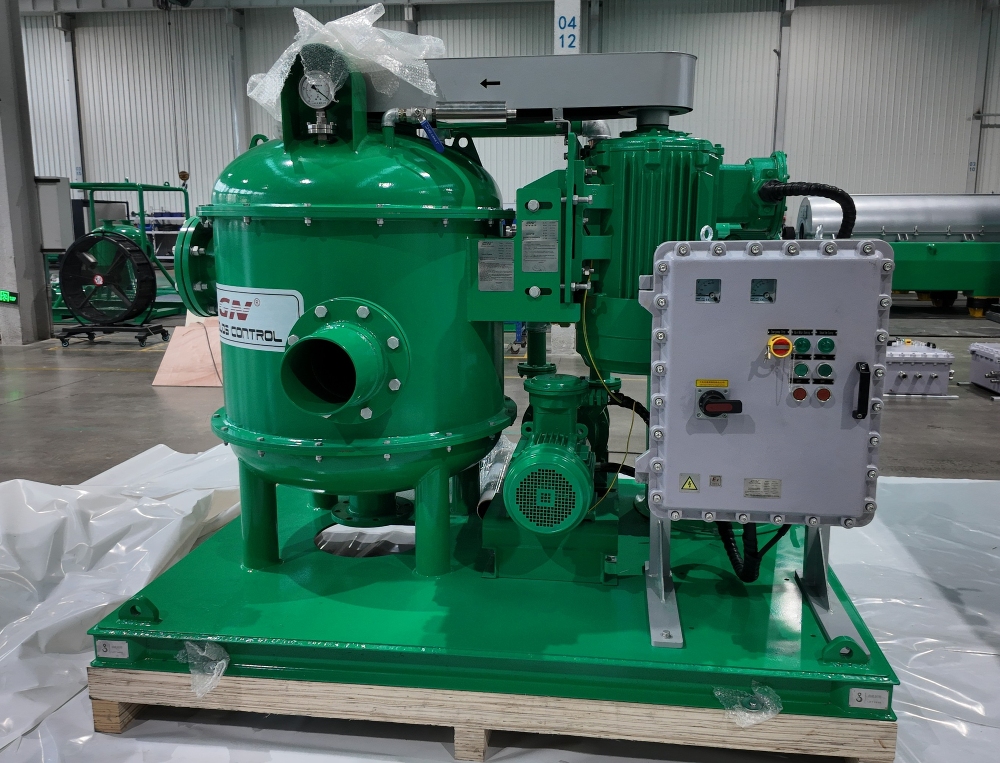
Vacuum degassers play a crucial role in removing unwanted gases, such as oxygen and hydrogen sulfide, from liquids. These devices create a vacuum environment within a vessel, allowing gases to escape and ensuring the purity and stability of the liquid being processed.

For industries that rely on high-quality liquids, such as the pharmaceutical, food and beverage, and petrochemical sectors, vacuum degassers are indispensable. By eliminating gases that may cause contamination or affect product stability, these devices contribute to maintaining stringent quality standards and ensuring customer satisfaction.

Vacuum degassers significantly improve operational efficiency by minimizing the risk of gas-related issues. By preventing gas-induced corrosion, blockages, and equipment malfunctions, these devices help businesses avoid costly downtime and maintenance, thereby increasing productivity and profitability.

Asia’s rapid industrialization and increasing infrastructure development create immense opportunities for machinery manufacturers. To successfully sell centrifugal pump packages and vacuum degassers to Asian customers, businesses should consider the following strategies:

Adapting marketing materials and customer support services to cater to the specific needs and preferences of Asian clients is crucial. Translating product information into local languages, understanding cultural nuances, and establishing a strong local presence will enhance customer trust and facilitate effective communication.

Partnering ships:with local distributors or agents who possess extensive market knowledge and established networks can accelerate market penetration. These partnerships can provide valuable insights, assist in navigating regulatory frameworks, and enable efficient distribution and after-sales support.

Highlighting the energy efficiency and cost-saving benefits of centrifugal pump packages and vacuum degassers is essential. Demonstrating how these products contribute to reducing operational expenses and improving overall profitability will resonate with Asian clients seeking sustainable solutions.

As the demand for industrial equipment continues to rise in Asia, the market for centrifugal pump packages and vacuum degassers presents a lucrative opportunity for machinery manufacturers. By understanding the unique features, benefits, and market strategies associated with these products, businesses can effectively tap into the growing Asian market and establish long-term success.

GNZS752K Mini Shale Shaker for Brazil Company

n the dynamic world of drilling operations, efficiency, reliability, and adaptability are paramount. The GNZS752K Mini Shale Shaker, a compact yet powerful solution, has emerged as a game-changer in the realm of drilling mud solid separation. Designed with precision and innovation, this mini vibration screen is redefining the standards of performance and versatility in the drilling industry. In this blog, we will delve into the mechanical performance, working principles, and exceptional capabilities of the GNZS752K Mini Shale Shaker.

The GNZS752K Mini Shale Shaker is a testament to cutting-edge engineering and design. Its compact structure makes it ideal for space-constrained environments, a common challenge in drilling operations. Despite its small footprint, the device packs a punch with its impressive specifications. Equipped with two robust 1.5KW vibration motors, it delivers a maximum acceleration of 7.5G, ensuring efficient solid separation. The effective screening area of 1.35 square meters further enhances its ability to process drilling mud with precision.

The device’s linear motion design ensures uniform and stable vibration, crucial for optimal separation performance. This motion minimizes the risk of material clogging and ensures consistent screening efficiency. The GNZS752K’s structure  and durable build allow it to operate reliably in extreme conditions, making it a trusted partner in challenging drilling environments.

At the heart of the GNZS752K lies its advanced vibration mechanism. The two vibration motors work in unison to generate the high G-force necessary for effective separation. When drilling mud passes through the screen, the vibrations ensure that solid particles are efficiently separated from the liquid phase. This process is critical for maintaining the quality and flow properties of drilling mud, which directly impacts drilling performance.

The device’s wide screening area and high G-force enable rapid processing, reducing downtime and enhancing overall efficiency. The linear motion also ensures even distribution of drilling mud across the screen, maximizing separation accuracy and minimizing waste.

The GNZS752K MiniShale Shaker finds its niche in a variety of drilling applications, including no-dig drilling,water well drilling, and diamond core drilling. Its compact design and high performance make it an ideal choice for projects where space is limited, yet efficiency is non-negotiable.

One of the standout advantages of the GNZS752K is its cost-effectiveness. While it excels in large-scale projects, its affordability also makes it accessible for smaller or budget-constrained operations. This versatility ensures that the GNZS752K can be adapted to a wide range of drilling needs, providing exceptional value across the board.

Feedback from customers has been overwhelmingly positive. The GNZS752K’s ease of installation, user-friendly operation, and low maintenance requirements have made it a favorite among drilling professionals. Its ability to deliver consistent performance in challenging conditions has solidified its reputation as a reliable and efficient solution.

GN Solids Control, the manufacturer of the GNZS752K, has further enhanced its appeal by offering comprehensive technical support and after-sales service. This commitment to customer satisfaction ensures that users can maximize the device’s potential throughout its lifecycle.

The GNZS752K Mini Shale Shaker is more than just a piece of equipment; it’s a symbol of innovation and excellence in the drilling industry. Its compact design, powerful performance, and versatility make it an indispensable tool for any drilling operation. As the demand for efficient and reliable solid separation solutions continues to grow, the GNZS752K stands out as a leader in its field.

For drilling professionals seeking a high-performing, cost-effective solution, the GNZS752K Mini Shale Shaker is the ultimate choice. With its proven track record and exceptional capabilities, it is paving the way for a new era of efficiency and productivity in drilling mud solid separation.

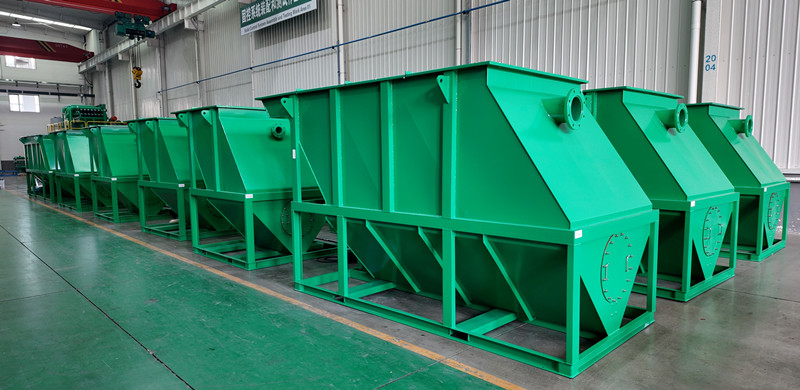
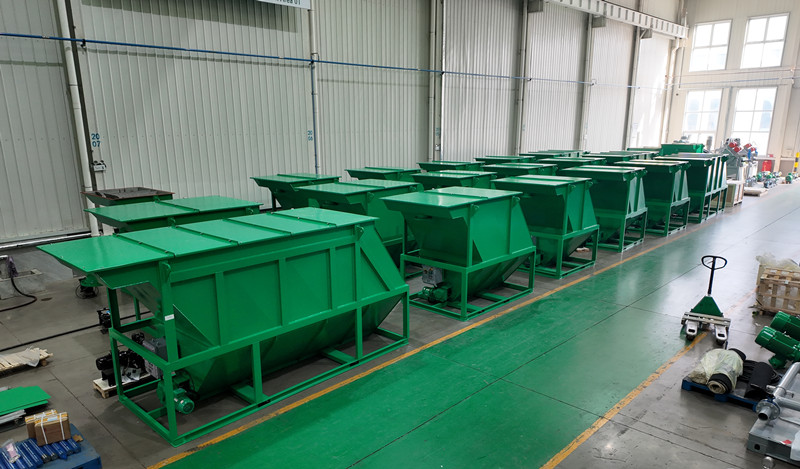
8 Packages GN Jet Mud Mixing Hopper Unit for Europe Client

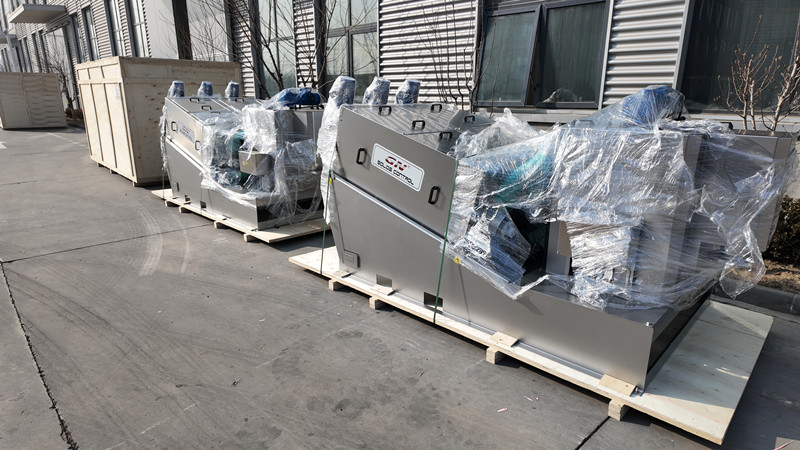
We are thrilled to announce another successful international shipment: 8 complete sets of GN drilling jet mud mixing hopper units have been delivered to our valued client in Europe. This delivery underscores the growing trust and recognition of GN equipment in the global market, particularly in regions with stringent operational and safety standards.

At the heart of each system is the highly efficient jet mud mixing hopper, a crucial component for preparing and conditioning drilling mud. Proper mud mixing is essential for successful drilling operations, impacting everything from wellbore stability to the rate of penetration. Our jet mixing hopper excels in this role by ensuring additives are blended quickly and uniformly into the base fluid.

Each complete unit we shipped includes three core components that work seamlessly together:

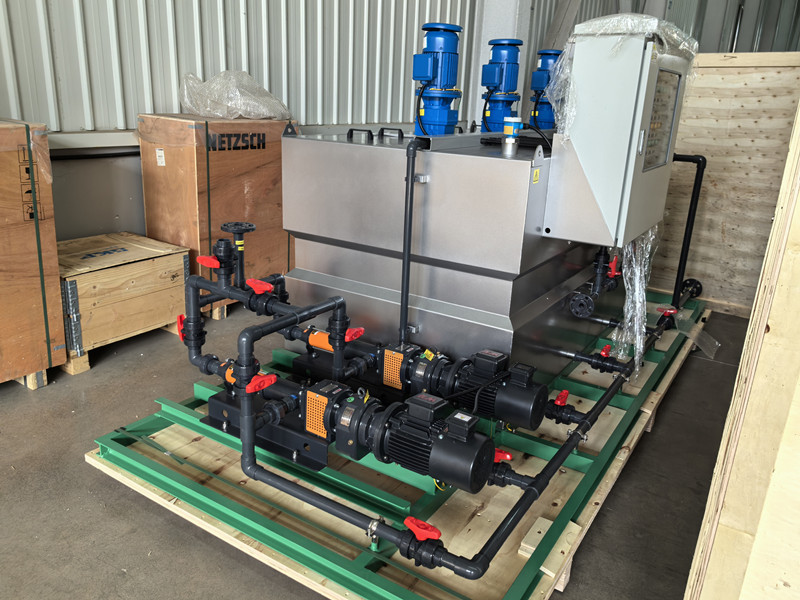
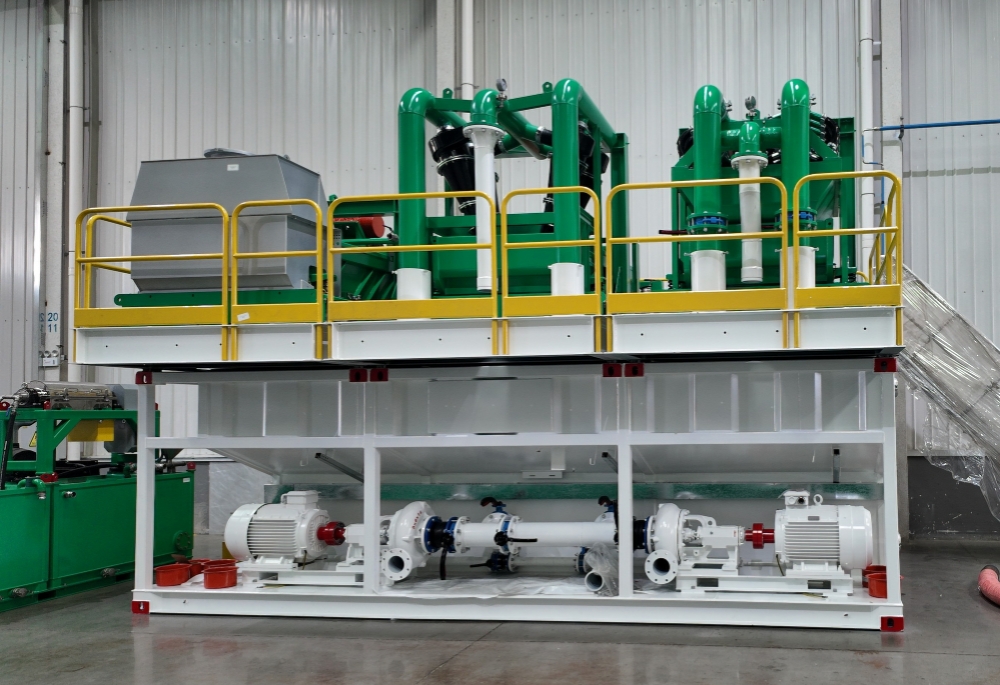
  1. The 90KW GNSB8*6 Sand Pump: This powerful pump acts as the system’s engine. It draws fluid and creates a high-velocity stream that drives the entire mixing process. Its robust design ensures reliable performance under demanding conditions.

  1. The Jet mud Mixing Hopper: This is where the magic happens. The high-pressure fluid from the sand pump is forced through a nozzle inside the hopper, creating a vacuum. This vacuum suction automatically pulls in dry or liquid additives (like bentonite, barite, or chemicals) from the top. The intense turbulence within the hopper instantly disperses and mixes these materials into the fluid, preventing the formation of stubborn “fish-eyes” or lumps.
  2. The Integrated Base Skid: All components are securely mounted on a single, sturdy skid base. This “plug-and-play” design makes transportation, installation, and positioning on the rig site incredibly straightforward. It saves valuable time and reduces setup costs for our clients.

The key benefits of using our GN jet mud mixing hopper system are clear:

  • Fast and Homogeneous Mixing: Achieves a consistent mud mixture in a fraction of the time compared to conventional methods.
  • Simple and Reliable Operation: With no moving parts in the hopper itself, maintenance is minimal, and operational reliability is high.
  • Enhanced Safety: The system reduces manual handling of additives, creating a safer working environment for the crew.
  • Proven Efficiency: This design is trusted by drilling contractors worldwide to maintain optimal mud properties, which directly contributes to smoother and more cost-effective drilling operations.

The selection of our equipment by this European client is a testament to the quality and performance that the GN brand represents. It demonstrates our capability to meet the specific demands of the international market. We are confident that these 8 sets of jet mud mixing hopper units will play a vital role in supporting our client’s drilling projects, ensuring efficient and effective mud management.

We extend our sincere gratitude to the client for their trust. GN is committed to continuing its mission of providing high-quality, reliable solid control and fluid processing equipment to the global energy industry. We look forward to further strengthening our presence in the European market and supporting our partners worldwide.

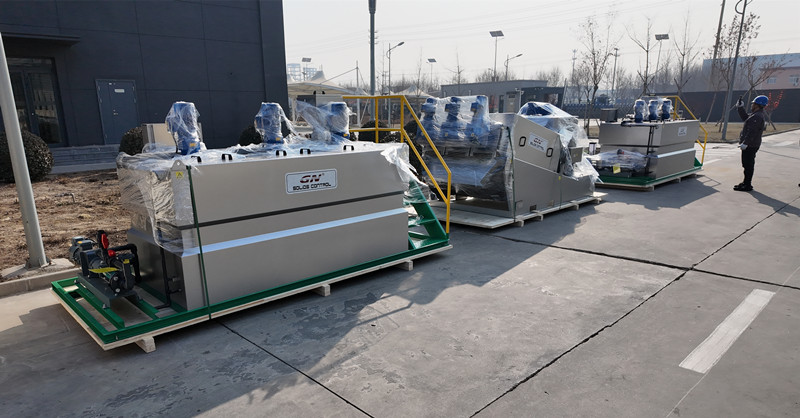
Dewatering vibrating screen and big bowl decanter centrifuge for USA construction mud treatment

Efficient Mud Treatment in U.S. Construction: The Power of Mining Vibrating Screens and Decanter Centrifuges

In the bustling world of U.S. construction projects, managing mud and slurry is a silent but critical challenge. Whether it’s from drilling, tunneling, or mining operations, untreated slurry can wreak havoc—clogging waterways, damaging equipment, and slowing down progress. Traditional methods like drying beds or landfills are slow, costly, and space-hungry. Today, smarter solutions like mining vibrating screens and decanter centrifuges are stepping up to deliver faster, cleaner, and more efficient mud treatment.

Think of a vibrating screen as a high-speed filter for mud. It shakes vigorously, using motors to create vibrations that separate large solid particles (like rocks or debris) from the liquid slurry. Here’s why it’s a game-changer:

  • Simple but effective: The screen’s mesh catches solids while letting cleaner liquid pass through.
  • Tough and adaptable: Works in harsh conditions—onshore, offshore, or even deep drilling sites.
  • Low maintenance: Regular checks on the mesh and motor keep it running smoothly.

For construction crews, this means less downtime and fewer clogs in downstream equipment.

When finer separation is needed, the decanter centrifuge (or “big drum” centrifuge) takes over. Here’s how it works:

  • Spin to win: The slurry enters a rapidly rotating drum. Centrifugal force pushes solids to the walls, while clean water flows out the other end.
  • Built to last: Advanced designs use wear-resistant materials (like tungsten carbide) to handle abrasive slurries without breaking down.
  • Energy-smart: Modern models cut power use by optimizing speed and reducing water waste.

A standout example is the 760mm decanter centrifuge, which can process 120 m³ of mud per hour—perfect for large-scale projects like tunnel boring or river dredging.

Speed: Projects move faster when mud is cleared quickly.

  1. Cost savings: Less waste hauling, lower water usage, and fewer delays.
  2. Eco-friendly: Cleaner runoff means fewer environmental fines.

From skyscrapers to subway tunnels, efficient mud treatment keeps projects on track. Vibrating screens and centrifuges aren’t just machines—they’re silent partners in building America’s future, one dry pile of solids at a time.